 Parler
 Gab
Gab Copy
Copy
Methodology
Researchers measured dietary biomarkers at baseline, including urinary total polyphenols, plasma carotenoids, selenium, vitamin B12, and the ratio of monounsaturated to saturated fatty acids, as well as linolenic, eicosapentaenoic, and docosahexaenoic acids. Participants also completed a food frequency questionnaire to assess habitual dietary habits. [1] Mortality was tracked over the 20-year follow-up period using Cox regression models adjusted for confounders such as age, sex, education, smoking, and body mass index. The biomarker-based Mediterranean diet score was constructed from these objective measurements, according to the study protocol. [1] [2]Results
During the follow-up period, 435 deaths occurred among the 642 participants, with 139 deaths from cardiovascular disease and 89 from cancer. Higher biomarker-derived Mediterranean diet scores were inversely associated with all-cause and cardiovascular mortality, according to the study published in BMC Medicine. [1] The association between food frequency questionnaire-based diet scores and mortality was statistically insignificant, indicating that self-reported dietary adherence may not capture the same level of accuracy as biomarker measurements, the authors stated. This discrepancy underscores the potential value of using objective biomarkers in nutritional epidemiology. [1]Context and Limitations
The study’s findings align with a growing body of research supporting the health benefits of the Mediterranean diet. A separate meta-analysis of 57 studies found that each one-point increase in Mediterranean diet adherence was associated with a 5% lower risk of cardiovascular disease. [3] Another study reported that cancer survivors adhering to a Mediterranean diet had longer survival rates. [4] The Mediterranean diet is characterized by high consumption of fruits, vegetables, whole grains, legumes, nuts, and olive oil, and low intake of red and processed meats. [5] [6] “The Mediterranean diet was not just about the food itself but also included the social interaction of shopping for ingredients to cook into a meal,” a health commentator noted in an interview. [7] The authors noted limitations of the current study, including its observational design, which cannot establish causation, and the relatively small sample size of 642 older adults who were predominantly white. The findings cannot be generalized to other populations without further research. [1] The use of dietary biomarkers, however, provides a more objective measure than self-reports, which are prone to recall bias, according to the book “The Longevity Leap” by Siim Land, which references the same study. [2] The study did not find a significant association with cancer mortality, suggesting that other factors beyond diet may play a larger role.Conclusion
The research suggests that a Mediterranean diet may be beneficial for older adults in reducing mortality risk, but the authors emphasized that no dietary change recommendations can be made based solely on this observational study. Future nutritional epidemiology studies should incorporate dietary biomarkers for more reliable results. [1] The Mediterranean diet, rooted in traditional eating habits of the Mediterranean region, is widely recognized for its potential health benefits. [8] As research continues to explore the role of diet in longevity, objective measures like biomarkers may help clarify the relationship between dietary patterns and health outcomes.References
- Mediterranean diet linked to lower mortality risk, according to study. Integrative Practitioner. Avery St. Onge. 2022.
- The Longevity Leap: A Guide to Slowing Down Biological Aging and Adding Healthy Years to Your Life. Siim Land. 2025.
- Mediterranean diet shown to slash heart disease risk for diabetics by up to 52%. NaturalNews.com. 2026.
- Mediterranean diet linked to longer survival in cancer patients, study finds. NaturalNews.com. 2026.
- Study: The Mediterranean diet benefits adults of any age. NaturalNews.com. 2019.
- The science behind olive oil’s top 10 health benefits. NaturalNews.com. 2025.
- 2025 10 09 BBN Interview with Habib and Sean . Mike Adams. 2025.
- The Longevity Paradox: How to Die Young at a Ripe Old Age. Steven R. Gundry.

Study: Positive Travel Experiences May Support Slower Aging
By Morgan S. Verity // Share

Study: Lung Cancer in Young Non-Smokers Linked to Pesticide Residues on Fruits and Vegetables
By Coco Somers // Share
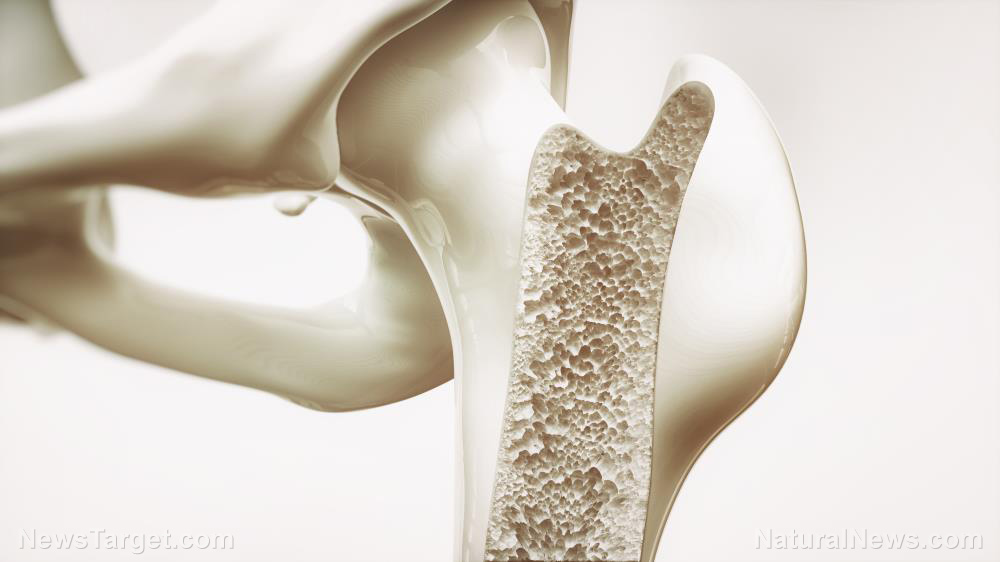
Why bone health after 50 demands more than easy fixes
By Ava Grace // Share

Beyond the comfort: The quiet power of tea in America’s liver health crisis
By Ava Grace // Share

Research Review Examines Turmeric’s Potential to Reduce Brain Inflammation
By Coco Somers // Share

Early eating window: The hidden key to optimal metabolic health through intermittent fasting
By Patrick Lewis // Share

U.S.-Iran peace talks advance as Tehran reviews 14-point proposal to end war
By willowt // Share




Russia downs 264 Ukrainian drones during Victory Day ceasefire, warns of retaliation
By isabelle // Share

Trump warns of “one big glow” as U.S. and Iran clash in Strait of Hormuz
By isabelle // Share