 Parler
 Gab
Gab Copy
Copy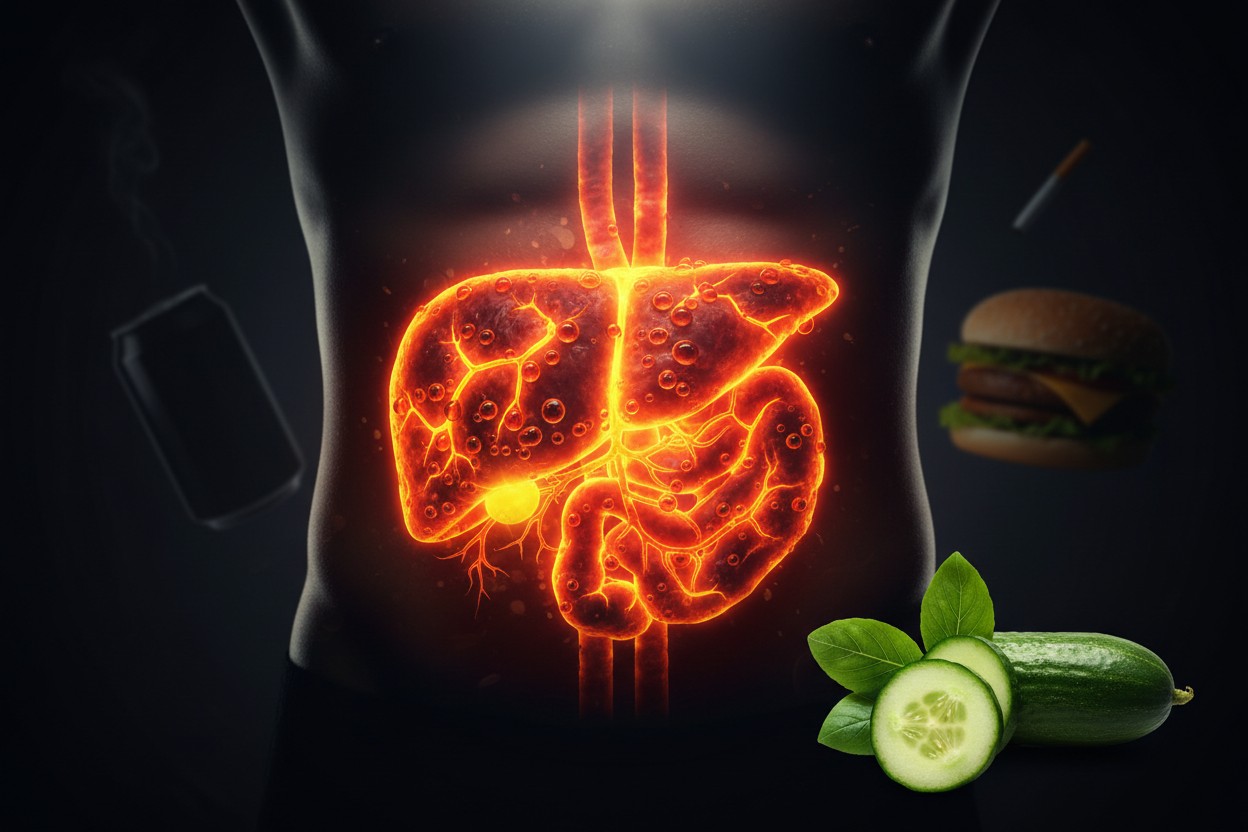
Overview
A new global analysis published in The Lancet Gastroenterology & Hepatology reports that cases of metabolic dysfunction-associated steatotic liver disease (MASLD) have surged 143% since 1990, reaching an estimated 1.3 billion people in 2023, according to the study, as reported by registered dietitian Molly Knudsen. The condition, driven by metabolic risk factors including high fasting plasma glucose, high body mass index (BMI), and smoking, is projected to affect 1.8 billion people by 2050 unless interventions are implemented, researchers stated. Liver cancer cases are expected to nearly double from 870,000 in 2022 to 1.52 million by 2050, with MASLD identified as the fastest-growing cause due to rising obesity rates, according to a separate analysis published in The Lancet [1]. The findings underscore a largely preventable public health crisis that is accelerating worldwide.What Is MASLD?
MASLD, formerly called nonalcoholic fatty liver disease (NAFLD), involves excess fat accumulation in the liver not due to alcohol consumption, per the 2023 nomenclature update. The condition is linked to insulin resistance, elevated blood sugar, and obesity, officials explained. It differs from alcohol-associated liver disease, which is driven by excessive alcohol intake. Non-alcoholic fatty liver disease is one of the primary hallmarks of visceral fat accumulation in the liver, according to a book on longevity [2]. The condition often develops silently, with most individuals experiencing no early symptoms, allowing undetected progression to steatohepatitis, fibrosis, cirrhosis, or liver cancer, experts noted.Reasons Behind the Rise
High fasting plasma glucose accounted for the largest share of MASLD-related deaths and disability globally, the study found. High BMI followed closely, while smoking also contributed, researchers said. Dietary shifts, sedentary lifestyles, and the global rise in metabolic conditions have created what the report called a 'perfect storm' for liver disease. Research indicates that fructose, a common component of sweeteners like table sugar and high-fructose corn syrup, uniquely promotes triglyceride synthesis and fat storage in the liver, acting as a 'metabolic signal that promotes fat production and storage in ways that differ fundamentally from glucose,' according to a review published in Nature Metabolism [3][4]. Additionally, occasional binge drinking can triple the odds of developing advanced liver fibrosis in individuals with an underlying liver condition, a study from the University of Southern California published in Clinical Gastroenterology and Hepatology found [5].Silent Progression and Global Projections
MASLD-related deaths increased by 83% between 1990 and 2021, with liver cancer and cirrhosis accounting for the majority of fatalities, the study stated. Prevalence peaks between ages 50 and 59, but cases are rising across all age groups, including younger populations. By 2050, researchers project 1.8 billion people will be living with MASLD, a 42% increase from current levels, with the largest growth expected in regions already grappling with rising obesity and diabetes rates. Forever chemicals, specifically perfluorooctanoic acid (PFOA) and perfluoroheptanoic acid (PFHpA), can nearly triple an adolescent's risk of developing MASLD, a landmark study found [6]. Daily diet soda intake is linked to a 60% higher risk of serious fatty liver disease, while sugary drinks raise the risk by 50%, according to a separate study [7]. These environmental and dietary factors compound the metabolic drivers already fueling the epidemic.Screening and Management Strategies
Screening via blood tests (ALT, AST) and imaging techniques such as ultrasound or FibroScan is recommended for those with metabolic risk factors, according to clinicians. No specific medication is approved for MASLD; lifestyle interventions -- blood sugar balance, diet, exercise, weight management, and smoking cessation -- are the primary defense, the report indicated. The gut microbiota plays a critical role in controlling adipose tissue expansion, gut barrier function, and glucose metabolism, with prebiotics and probiotics showing potential for metabolic health, according to a book on probiotics and prebiotics [8]. Molly Knudsen, a registered dietitian who reported on the study, stated that 'prioritizing blood sugar balance through diet and movement' and 'limiting alcohol' are foundational strategies to reduce liver fat. She added that a diet rich in whole foods low in ultra-processed options, regular physical activity, and avoiding smoking can help reduce liver fat and slow disease progression.References
- Liver cancer cases poised to double by 2050 A preventable crisis. - NaturalNews.com. July 31, 2025.
- The Longevity Leap: A Guide to Slowing Down Biological Aging and Adding Healthy Years to Your Life. - Land, Siim.
- University Review Links Fructose Sweeteners to Unusual Fat Accumulation Mechanisms. - NaturalNews.com. April 27, 2026.
- Fructose’s metabolic toll: Why this sugar may be worse than glucose. - NaturalNews.com. April 25, 2026.
- Study Links Occasional Binge Drinking to Tripled Risk of Advanced Liver Scarring. - NaturalNews.com. April 12, 2026.
- Study Forever chemicals can nearly triple liver disease risk in teens. - NaturalNews.com. January 11, 2026.
- Your daily soda habit is a ticking time bomb for your liver groundbreaking study reveals. - NaturalNews.com. Cassie B. October 28, 2025.
- Probiotics and Prebiotics. - Author.
Study Links High Consumption of Ultra-Processed Foods to Increased Crohn’s Disease Risk
By Coco Somers // Share

Plant-Based Diets Linked to Lower Inflammation Marker, Analysis Suggests
By Coco Somers // Share

Study Links Very Low and Very High Resting Heart Rates to Increased Stroke Risk
By Petra Stone // Share
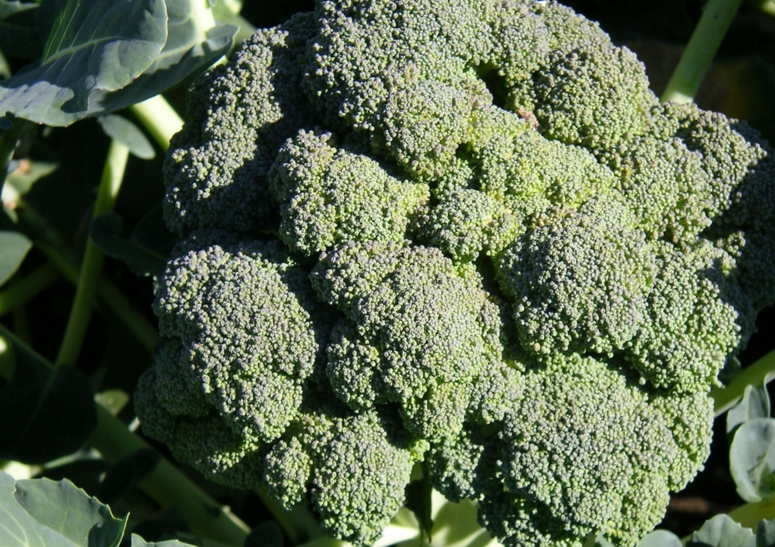
How a maligned vegetable became a modern nutritional powerhouse
By Ava Grace // Share
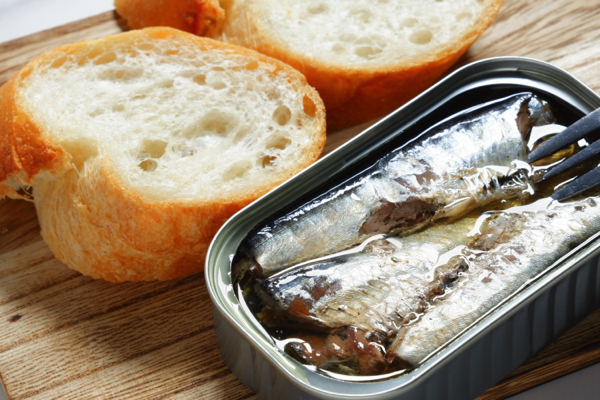
Sardines: The tiny fish with outsized health power
By Olivia Cook // Share

It’s Not Panic Buying—It’s Preparedness: Why Smart People Are Stocking Up Now
By healthranger // Share


Being a Person of Principle Will Always Make You an Enemy of the State
By healthranger // Share

Five TV Networks Suspend White House Coverage After Three Outlets Banned
By douglasharrington // Share

Rolling Blackouts Are Coming: Why I'm Going Off-Grid Before 2029
By healthranger // Share

The Cheapest Food You'll Ever See: Why I Believe a Global Food Shock Is Coming by 2027
By healthranger // Share