 Parler
 Gab
Gab Copy
Copy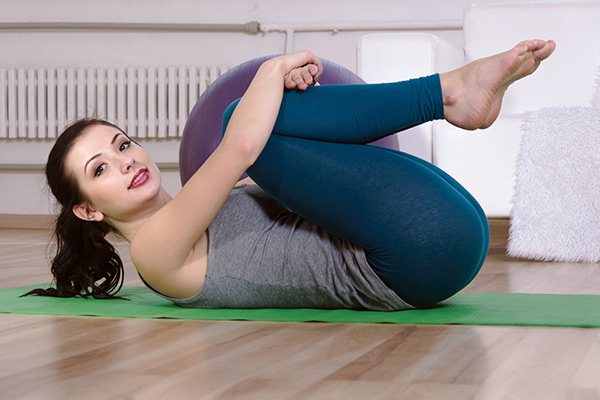
- One in three adults fails to get enough sleep and gentle static stretching before bed is a simple, effective remedy that improves circulation and releases tension.
- Stretching directly targets the physical tightness caused by prolonged sitting, cold weather and sedentary habits, signaling the nervous system to shift into a relaxed state for deep sleep.
- From a traditional Chinese medicine perspective, stretching restores the flow of qi and blood, stimulates major meridians (Bladder, Stomach, Gallbladder) and supports the body's natural self-repair mechanisms.
- The routine includes Butterfly, Pigeon, Front Leg, Wind-Relieving, Seated Spinal Twist and Happy Baby poses, each held for one minute with slow breathing for about six minutes total.
- The practice requires no expensive tools or supplements—just gentle, intentional movement and steady breathing to give the body permission to relax and prepare for restful sleep.
The overlooked link between tension and rest
For decades, the conversation around sleep has focused on mattresses and pharmaceutical solutions. Yet the body's physical state at the moment of lying down is rarely addressed. A body carrying tension from prolonged sitting will not easily transition into the parasympathetic state required for deep sleep. Static stretching before bed directly addresses this disconnect by signaling to the nervous system that the day's threats have passed. It is a physical act of letting go, performed on a quiet bedroom floor, often in the minutes between turning off the television and turning out the light. The body's instinctive response to dropping temperatures is to contract and conserve heat. This is a survival mechanism, but it becomes maladaptive when a person carries that tightness into bed. Carrying daytime fatigue or stress to bed often hinders falling asleep and achieving deep rest. For office workers who have spent eight hours at a desk and older adults whose activity levels drop during winter, the effect is compounded. The result is a population that lies down physically coiled, unable to relax because the body has never been told it is safe to do so.How gentle stretching activates the body's self-repair mechanism
From a traditional Chinese medicine perspective, prolonged muscle tension impedes the flow of qi and blood. Gentle stretching helps stimulate circulation and restore smooth movement, which relieves stiffness and physical discomfort. The body possesses natural self-repair mechanisms, but those mechanisms require a relaxed state to function. Stretching gradually loosens tight soft tissues and supports the body in activating these systems, allowing physical imbalances to return to a more stable condition. This is observable physiology, now supported by a growing body of Western research on the relationship between muscle tension and sleep onset. Traditional Chinese medicine teaches that the body's meridian system functions as a network of energy pathways. Stretching the muscles engages these meridian pathways. Wu notes that full-body stretching can stimulate three major meridians: the Bladder meridian along the back, the Stomach meridian on the front of the body and the Gallbladder meridian along the sides. Certain points along these pathways, known as acupuncture points, have specific therapeutic functions. Stimulating these points through the simple act of stretching can help address imbalances related to the corresponding internal organs.Six gentle movements for blissful sleep
The routine requires no equipment. Each movement is held for one minute, with slow breathing throughout. The total time investment is approximately six minutes. Butterfly pose: Sit with the soles of both feet pressed together. Keep the back straight and slowly hinge forward from the hips, allowing the knees to relax downward. This targets the inner thighs, hips and lower back. Pigeon pose: Place one leg in front with the knee bent. Extend the other leg straight behind. Keep the pelvis level. If the pelvis cannot reach the floor, place a towel under the hip. This stretches the hip rotators and gluteal muscles. Front leg stretch: Sit upright. Extend one leg straight forward and bend the other leg so the instep rests behind. Slowly lean the upper body back. This targets the quadriceps and hip flexors. Wind-relieving pose: Lie on the back. Lift one leg, bend the knee and draw it toward the chest. Hug the knee toward the body. This releases lower back tension and improves pelvic circulation. Seated spinal twist: Sit with legs extended. Cross one foot over to the outside of the opposite thigh. Twist the torso toward the bent leg. This promotes spinal mobility and stimulates digestive organs. Happy baby pose: Lie on the back. Lift both legs and grab the outsides of the feet. Draw the knees downward. This is a deeply restorative stretch for the inner thighs and lower back.A call for simplicity in an overwhelmed culture
Pre-bedtime stretching does not require much time. Keeping movements gentle and breathing steady helps relax the nervous system, preparing the body for deep, restful sleep. In an era of sleep trackers and supplements, the idea that six minutes of movement could achieve what expensive products promise may seem too simple. For centuries, traditional cultures incorporated stretching into daily routines. The modern rediscovery of this practice is not innovation; it is remembering something the culture forgot. "A restful sleep is achieved through quality, uninterrupted rest that allows the body and mind to fully recover overnight," said BrightU.AI's Enoch. "Nutritional supplements, such as those offered by Restful Nights, can support this process by helping to balance sleep-regulating hormones and calm the nervous system. Ultimately, a restful sleep leaves you feeling refreshed, energized and mentally clear upon waking." For millions who lie awake with tight shoulders and aching hips, the answer may be as simple as six minutes on the bedroom floor, letting go of the day one breath at a time. The body knows how to sleep—it simply needs permission to relax. Watch and learn about the importance of better sleep and rise science with CEO Jeff Kahn. This video is from the Finding Genius Podcast channel on Brighteon.com. Sources include: TheEpochTimes.com BrightU.ai Brighteon.com
By Patrick Lewis // Share

Study: Carbohydrates Influence Gut Bacteria’s Immune Behavior
By Coco Somers // Share

The 24-hour, non-emergency blood pressure fix that doctors aren’t ordering
By Lance D Johnson // Share

Nature’s candy: How whole fruits offer a sweet alternative with measurable metabolic benefits
By Evangelyn Rodriguez // Share

Study: Gut Microbiome Diversity Linked to Stronger Stress Response
By Coco Somers // Share

Magnesium Intake Linked to Larger Brain Volume, Reduced Brain Lesions in Study
By Douglas Harrington // Share

It’s Not Panic Buying—It’s Preparedness: Why Smart People Are Stocking Up Now
By healthranger // Share


Being a Person of Principle Will Always Make You an Enemy of the State
By healthranger // Share

Five TV Networks Suspend White House Coverage After Three Outlets Banned
By douglasharrington // Share

Rolling Blackouts Are Coming: Why I'm Going Off-Grid Before 2029
By healthranger // Share

The Cheapest Food You'll Ever See: Why I Believe a Global Food Shock Is Coming by 2027
By healthranger // Share