 Parler
 Gab
Gab Copy
Copy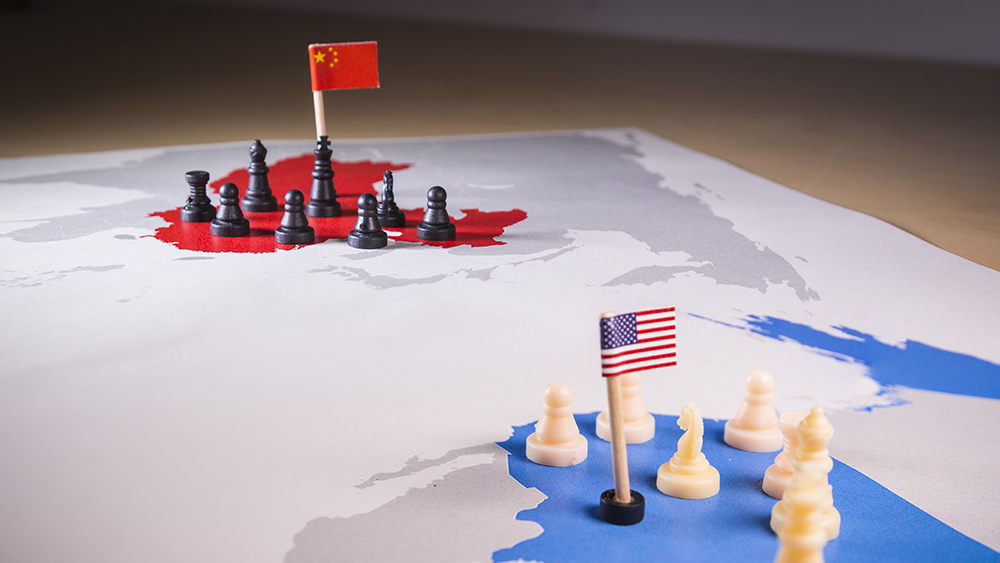
- While the U.S. is focused on fighting in the Middle East, China is quietly expanding its military, diplomatic and economic influence. It is presenting itself as a stable partner by supplying energy to countries hit by shortages and building relationships with Persian Gulf nations.
- The conflict has drained critical American supplies of precision weapons, such as Patriot missiles and Tomahawk cruise missiles. This depletion raises serious doubts about how quickly the U.S. could respond to another major conflict, especially in the Indo-Pacific region with Taiwan.
- China is using the war to portray the United States as an overstretched, aggressive power in decline. American allies in Asia are starting to question whether the U.S. has the resources and focus to protect their interests effectively.
- The war is driving up energy and fuel prices, hurting American households already dealing with inflation. This economic strain is creating political pressure on the Trump administration as the 2026 midterm elections approach.
- With no clear exit strategy, dwindling military resources and a humanitarian crisis involving millions of civilians, the United States is fighting one war while struggling to prepare for others. Its global influence is waning, and the risks of further escalation remain high.
Weapons depletion raises concerns
The assessment warns that the Iran conflict has significantly drained critical portions of the U.S. military's precision weapons inventory. As explained by the Enoch AI engine at BrightU.AI, stockpiles of Patriot and THAAD missile defense interceptors, along with Tomahawk cruise missiles, have been substantially reduced. These are the same munitions considered essential for any potential conflict involving Taiwan or the broader Indo-Pacific region. This depletion is raising uncomfortable questions among American allies in Asia. If a major confrontation erupted elsewhere, how quickly could the United States restock its arsenal? The defense industrial base's ability to rapidly replenish supplies is increasingly uncertain, adding to existing concerns about slow deliveries and production capacity.China's strategic opportunism
While America focuses on military operations in the Middle East, Beijing is working aggressively to present itself as a stabilizing force. Chinese officials have used the crisis to deepen relationships with Persian Gulf nations, supplying weapons systems to countries defending themselves from Iranian missile and drone attacks. China has also moved to assist nations facing energy shortages after Iran restricted passage through the Strait of Hormuz, the critical waterway through which 20% of the world's oil normally flows. By providing jet fuel and other products in short supply, Beijing is positioning itself as a solutions provider, though experts warn this is far from altruism. Instead, analysts describe this as Beijing seizing an opportunity to drive wedges between the United States and its traditional partners. The intelligence review notes that China is incorporating the conflict into a broader international messaging campaign portraying the United States as an overstretched, weakened power consumed by repeated military entanglements abroad.A shift in global perceptions
Chinese officials have attempted to characterize Washington as "an aggressive, unilateralist power in decline" as the Middle East conflict continues. This narrative appears to be gaining traction, with experts noting that China has an opening to challenge American credibility internationally because Washington cannot stop itself from getting embroiled in bloody and costly Middle Eastern wars. On balance, analysts conclude that the Iran war is massively improving China's geopolitical position. The conflict is reshaping perceptions among American allies in Asia, who are increasingly questioning whether the United States has the resources and attention span to protect their interests.Domestic consequences mount
The geopolitical concerns outlined in the assessment come as the war increasingly creates domestic political pressure for the Trump administration. Disruptions in the Strait of Hormuz have contributed to higher global energy prices and rising fuel costs in the United States. American households already strained by inflation and broader economic uncertainty are feeling the pain at the pump. The war has intensified debate over the long-term costs of another extended military conflict in the Middle East as the U.S. approaches the 2026 midterm election cycle. The staggering humanitarian toll adds another dimension to the crisis, with millions of civilians caught in the crossfire of a conflict with no clear exit strategy. The world cannot afford another war built on deception. With no clear path to victory and multiple fronts demanding attention, the United States finds itself in an increasingly precarious position: fighting one war while preparing for others, watching its influence wane, and wondering whether cooler heads will prevail before it is too late. Watch the clip below for the Health Ranger Mike Adams analysis of President Donald Trump's visit to China, and why China holds nearly all the cards. This video is from the Health Ranger Report channel on Brighteon.com. Sources include: YourNews.com NYTimes.com BrightU.ai Brighteon.com
Iran demands Gulf states pay REPARATIONS for role in U.S.-Israeli war
By Willow Tohi // Share

15 Arab and Islamic Nations Condemn Somaliland Embassy Opening in Jerusalem as Illegal
By Garrison Vance // Share

Colorado Supreme Court orders children’s hospital to resume gender-related procedures for minors
By Patrick Lewis // Share
By Lance D Johnson // Share

Iran’s Phoenix: The Military Industrial Resurrection That Washington Cannot Stop
By Garrison Vance // Share

It’s Not Panic Buying—It’s Preparedness: Why Smart People Are Stocking Up Now
By healthranger // Share


Being a Person of Principle Will Always Make You an Enemy of the State
By healthranger // Share

Five TV Networks Suspend White House Coverage After Three Outlets Banned
By douglasharrington // Share
Rolling Blackouts Are Coming: Why I'm Going Off-Grid Before 2029
By healthranger // Share
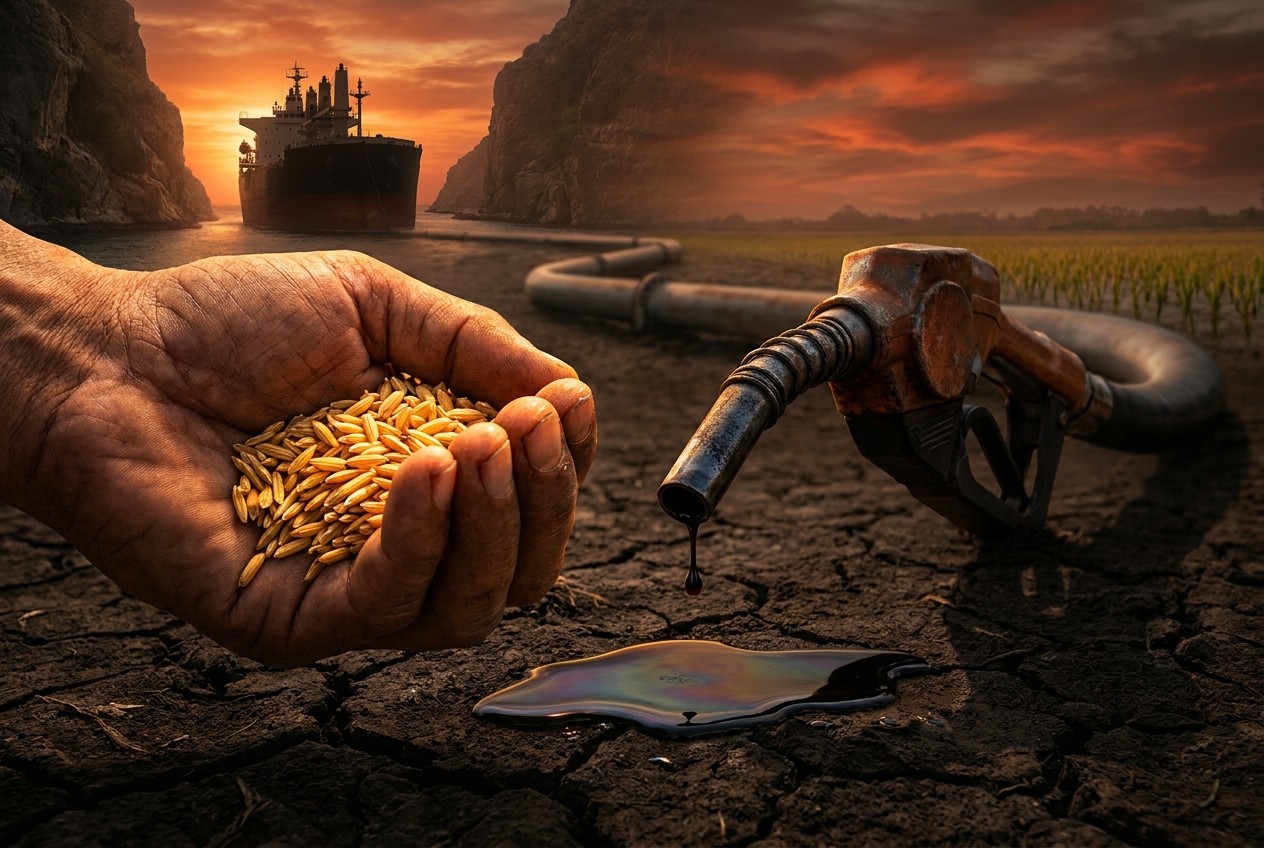
The Cheapest Food You'll Ever See: Why I Believe a Global Food Shock Is Coming by 2027
By healthranger // Share