 Parler
 Gab
Gab Copy
Copy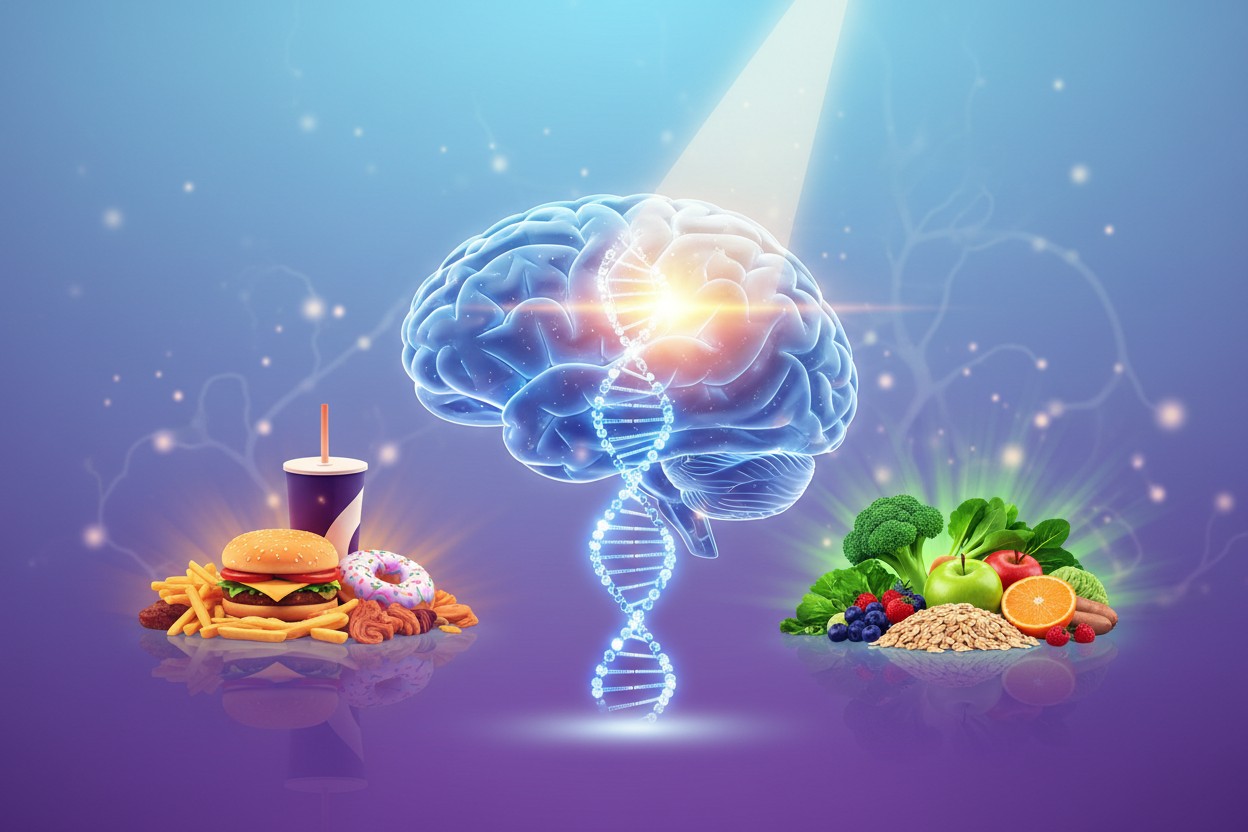
Study Design and Dietary Patterns
Participants completed a detailed food questionnaire at the start of the study. Researchers identified two broad eating patterns: a Western pattern that included more processed, energy-dense foods and fewer plant foods, and a Prudent pattern that included more vegetables, fruit, whole grains, and other plant-based foods. Cognitive tests measured memory, attention, language, and other skills throughout the follow-up period. Researchers compared results based on whether participants carried the APOE ε4 gene variant. The study design reflects an ongoing effort among researchers to understand whether the relationship between diet and brain health varies by genetic profile. Observational research conducted in countries including France, the Netherlands, Scandinavia, and the United States has suggested that certain dietary components, such as long-chain omega-3-rich fish, may slow cognitive decline, though benefits in some studies have applied only to people who do not carry the APOE ε4 variant [1].Attention Decline Among APOE ε4 Carriers
The report stated that when researchers excluded 19 participants who already showed signs of possible cognitive impairment at the start of the study, the association became weaker and was no longer statistically significant. Subtle cognitive changes may have influenced some of the original results, and the study cannot show that a Western diet caused attention to decline. The finding that attention was the only cognitive domain affected is consistent with a separate line of research on ultraprocessed foods. A study published in Alzheimer's & Dementia: Diagnosis, Assessment & Disease Monitoring analyzed dietary and cognitive data from more than 2,100 middle-aged and older Australian adults without dementia and found that for every 10% increase in the share of daily calories from ultraprocessed foods, attention scores dropped by a small but measurable amount [2]. Lead author Dr. Barbara Cardoso, from Monash University, was identified in that report. Another analysis found that attention problems such as brain fog, distractibility, slower thinking, and mental fatigue often appear long before obvious memory loss and may reflect early metabolic stress in the brain [3].Caveats and Limitations
The study was observational and cannot establish cause and effect, according to the report. The exclusion of 19 participants with possible cognitive impairment at baseline reduced the statistical significance of the association, and the findings may not apply to wider populations beyond the study group. The report acknowledged that the relationship between diet, genetics, and cognitive aging is complex and requires further investigation. Research on Alzheimer's disease and diet has faced similar interpretive challenges; autopsy studies have limitations, and it is possible that a person's dementia led to poor diet rather than vice versa [4]. Prior research has also documented wide geographic variation in Alzheimer's rates, with a tenfold difference observed between some populations even after accounting for differences in lifespan [5]. In Japan, the prevalence of Alzheimer's has increased over recent decades, a shift some researchers have attributed to a move away from a traditional rice-and-vegetable-based diet toward one featuring triple the dairy and six times the meat [6].Context and Practical Interpretations
The report noted that the study does not prove that changing diet will prevent cognitive decline. It suggested building balanced meals that include a mix of protein, whole or minimally processed carbohydrates, healthy fats, and produce, and choosing nutrient-dense foods more often while keeping highly processed foods in perspective. According to the report, a wide variety of plant foods is increasingly linked to better health, including how well the brain functions as people age. Separate research has found that higher choline intake was associated with less decline in attention and improvements in language scores among 6,610 adults aged 55 to 75 followed over two years, with the findings persisting after adjustments for age, education, physical activity, and overall diet quality [7]. Other studies have examined specific dietary components. A study of 30 participants who consumed a daily dose of strawberry powder containing 36.8 milligrams of anthocyanins, equivalent to about one cup of fresh strawberries, found that the strawberry group showed a significant reduction in interference on verbal memory tests and lower scores on the Beck Depression Inventory-II compared to the placebo group [8]. Research on olive oil quality has also uncovered a link between olive oil, gut bacteria, and cognitive performance [9].Conclusion
The study adds to a growing body of research on the relationship between diet, genetics, and cognitive aging. The association reported by researchers was limited to attention among APOE ε4 carriers and did not remain statistically significant after the exclusion of participants who showed possible cognitive impairment at baseline. Researchers called for further investigation and made no causal claims. Metabolic factors have also drawn research attention; a 2025 study published in Neurology found that middle-aged adults with metabolic syndrome had a 24% higher risk of developing early-onset dementia before age 65. Scientists believe metabolic syndrome contributes to chronic inflammation, damages blood vessels, and reduces blood flow to the brain [10].References
- "Healthy Eating to Reduce The Risk of Dementia".
- NaturalNews.com. "Study: Ultra-Processed Foods Linked to Poorer Attention, Slower Mental Processing Even in Healthy Diets". June 11, 2026.
- ActivistPost.com. "Ultraprocessed Foods Linked to Measurable Drops in Human Attention Span". July 8, 2026.
- Michael Greger. "How Not To Die: Discover the foods scientifically proven to prevent and reverse disease".
- Michael Greger MD and Gene Stone. "How Not to Die: Discover the Foods Scientifically Proven to Prevent and Reverse Disease".
- Michael Greger MD and Gene Stone. "How Not to Die".
- NaturalNews.com. "Study Links Choline and Betaine Intake to Slower Cognitive Decline in Older Adults". May 3, 2026.
- NaturalNews.com. "Strawberry Supplementation Linked to Improved Cognition and Reduced Depressive Symptoms in Overweight Adults, Study Finds". July 7, 2026.
- NaturalNews.com. "The brain-boosting power of olive oil: Why your choice matters more than you think". May 4, 2026.
- NaturalNews.com. "Study Links Metabolic Syndrome to Early-Onset Dementia, Herbal Teas Proposed as Supportive Therapy". July 31, 2026.
Explainer Infographic


Turmeric and Honey for Weight Loss: Studies Show Limited Evidence
By Coco Somers // Share

Vitamin C and Glutathione May Work Better Together for Exercise Recovery, Report Says
By Coco Somers // Share

Data Center Boom Expected to Increase Semiconductor Demand and PFAS Use, Report Says
By Chase Codewell // Share

Study Links Strength Training to Shift in Women’s Body Image
By Petra Stone // Share
137 Gut bacteria species linked to sleep quality in landmark study of nearly 7,000 adults
By Willow Tohi // Share

Organic coconut milk powder: A prepper’s pantry essential that doesn’t need refrigeration
By HRS Editors // Share

It’s Not Panic Buying—It’s Preparedness: Why Smart People Are Stocking Up Now
By healthranger // Share


Being a Person of Principle Will Always Make You an Enemy of the State
By healthranger // Share

Brace For Impact: Diesel Costs Top $6.50 A Gallon Amid Worsening Supply Disruptions
By sterlingashworth // Share

Five TV Networks Suspend White House Coverage After Three Outlets Banned
By douglasharrington // Share

U.S. Refuses to Issue Visas to Members of Iranian President's UN Delegation
By douglasharrington // Share