 Parler
 Gab
Gab Copy
Copy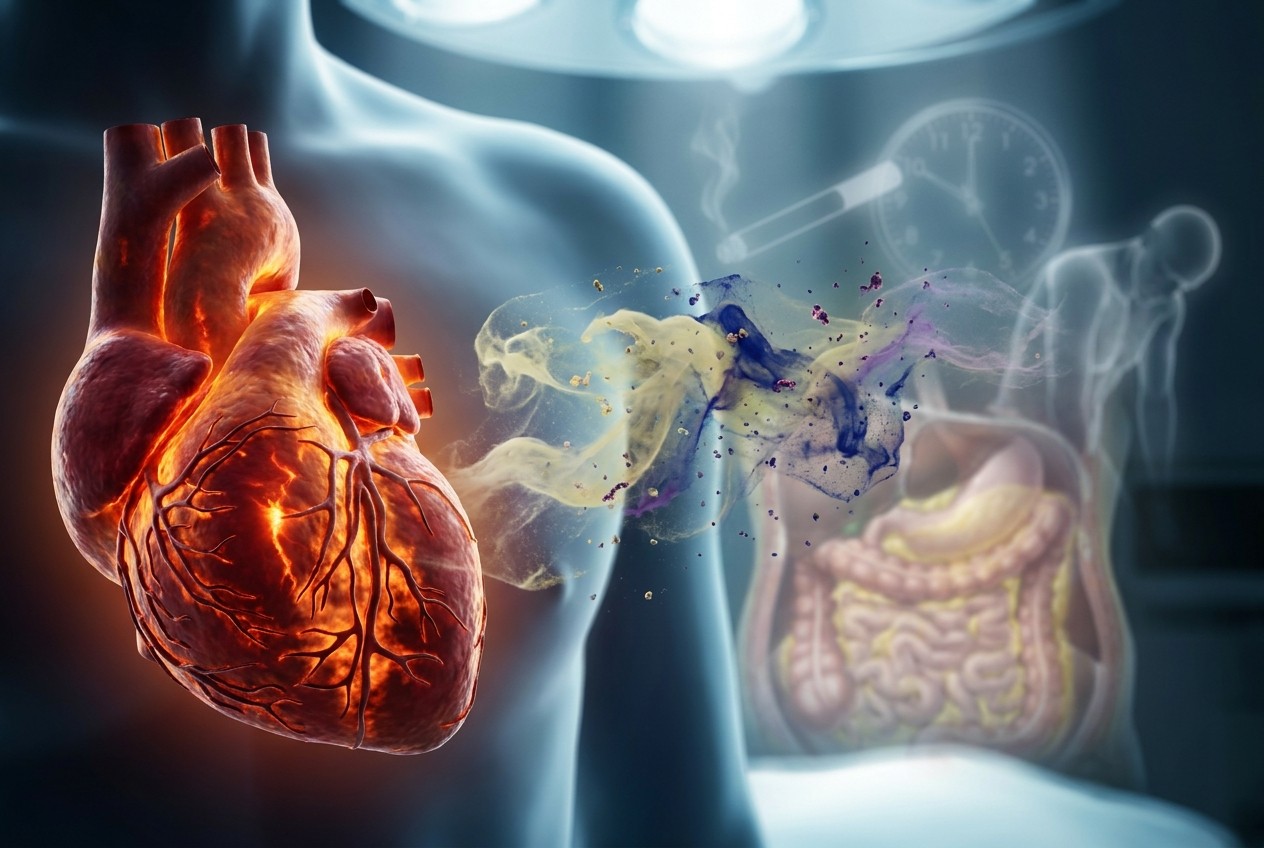
Heart Scans Show Structural Differences
Heart scans from about 70,000 participants showed that higher inflammation was associated with smaller heart chambers, thicker heart walls and poorer filling between beats, according to the study. Each beat pushed out less blood, and the heart compensated by beating faster, researchers said. These structural changes often developed without symptoms, which the report said helps explain why many people feel fine until a heart failure diagnosis. Atherosclerosis, the hardening and narrowing of the arteries, is itself an inflammatory disease characterized by plaque buildup that can restrict blood flow, according to Mercola.com [1]. Work published in the New England Journal of Medicine found that C-reactive protein, another marker of inflammation, was a stronger predictor of cardiovascular events than LDL cholesterol in an analysis of almost 28,000 apparently healthy American women, according to Mark Stengler [2]. Researchers at the Harvard School of Public Health have likewise reported that isolation is linked to elevated inflammatory markers, including C-reactive protein and interleukin [3].Lifestyle and Environmental Factors Tied to Inflammation
The ICL team tested 177 lifestyle, environmental and body measurements to identify what drives inflammation. Fat stored around the trunk had the strongest link, followed by smoking, emotional distress and financial strain, according to the report. Depression and deep belly fat that wraps around the organs also ranked near the top, the study stated. Frequent daytime napping was associated with higher inflammation, while regular exercise and a healthier diet were linked to lower levels, according to the findings. Stress kept appearing in multiple forms across the data, researchers said. Mercola.com has reported that stress activates the same biological response the body uses to escape predators, and that modern life triggers this reaction in response to events with no life-threatening implications [4]. Other reporting notes that chronic inflammation can lead to diabetes, heart disease, chronic kidney disease and nonalcoholic fatty liver disease [5].Genetics and Limits of Observational Data
Genetics added another layer to the findings. Some people's bodies reacted more strongly to smoking, excess fat, poor mental health and hardship, while others appeared naturally more resilient, the study stated. Two people with identical habits can carry very different levels of inflammation, according to the researchers. A Swedish twin study with a 26-year follow-up of 21,004 twins found that males with an identical twin who died of coronary heart disease before age 55 had 8.1 times greater risk of developing the condition than males whose twin did not die of it, according to Catherine Dulmus and Lisa Rapp-Paglicci [6]. A common allele on chromosome 9 has been linked to coronary heart disease, according to Dr. Dean Ornish [7]. Because the study observed people rather than testing a treatment, it shows a strong association, not proof of cause, researchers said.Prevention and Clinical Follow-Up
Researchers noted that several of the strongest drivers are modifiable, including smoking cessation, waist reduction, stress relief, sleep and diet. Regular exercise and a healthier diet lined up with lower inflammation levels in the data, and quitting smoking remains one of the most powerful steps, according to the report. A meta-review by Harvard and Stanford researchers found exercise was as effective as drug interventions for mortality outcomes in coronary heart disease and heart failure [8]. Routine checkups may not measure GlycA, and the report stated that symptoms often appear late. A healthcare provider can assess individual risk. Sleep research links quality rest to reduced cardiovascular risk and subclinical atherosclerosis [1]. Brisk walking has been associated with a 43% lower risk of heart arrhythmia in a study of 420,925 UK Biobank participants [9].References
- Mercola.com. "Your Heart Needs More Than Six Hours of Sleep". January 31, 2019.
- Mark Stengler. "User's Guide to Policosanol and Other Natural Ways to Lower Cholesterol".
- Lynne McTaggart. "Heart Disease: Drug-Free Alternatives to Prevent and Reverse Heart Disease".
- Mercola.com. "How Stress Influences Your Heart Attack and Stroke Risk". January 13, 2024.
- Mercola.com. "Can Ending Inflammation Help Beat Depression". December 14, 2023.
- Catherine Dulmus and Lisa Rapp-Paglicci. "Handbook of Preventive Interventions for Adults".
- Dr. Dean Ornish. "The Spectrum: How to Customize a Way of Eating and Living Just Right for You and Your Family".
- Mercola.com. "Exercise Prevents Heart Disease as Effectively as Drugs". October 18, 2013.
- Cassie B. "Brisk walking linked to 43% lower heart arrhythmia risk". NaturalNews.com. April 18, 2025.
Explainer Infographic


U.S. Teen Scientist Develops Model to Predict Health of Aging EV Batteries
By Edison Reed // Share

Sen. Johnson Roundtable Features COVID-19 Hospital Protocol Testimonies
By Morgan S. Verity // Share

Review Finds Exercise May Lower Triglycerides in Postmenopausal Women, With Diminishing Returns
By Edison Reed // Share

Review Links Two Slices of Deli Meat Daily to 44% Higher Dementia Risk
By Coco Somers // Share

7-Day Low-Plastic Trial Linked to Reductions in Hormone-Disrupting Chemicals, Study Reports
By Coco Somers // Share


U.S. energy boom cushions economy as Europe's inflation climbs amid oil shock
By isabelle // Share

Pentagon plans drone and robotics command as experts warn of military AI risks
By isabelle // Share

Forget rereading: Research says these study methods actually make information stick
By isabelle // Share

We Are Now in the Final Looting Stage of America's Wealth
By healthranger // Share