Join the movement to end censorship by Big Tech. StopBitBurning.com needs donations and support.
"Beyond The Diagnosis" on BrightU: Leaky gut could be the hidden trigger for cancer, Parkinson's and Alzheimer's
By jacobthomas // 2026-05-13
Mastodon
 Parler
 Gab
Gab Copy
Copy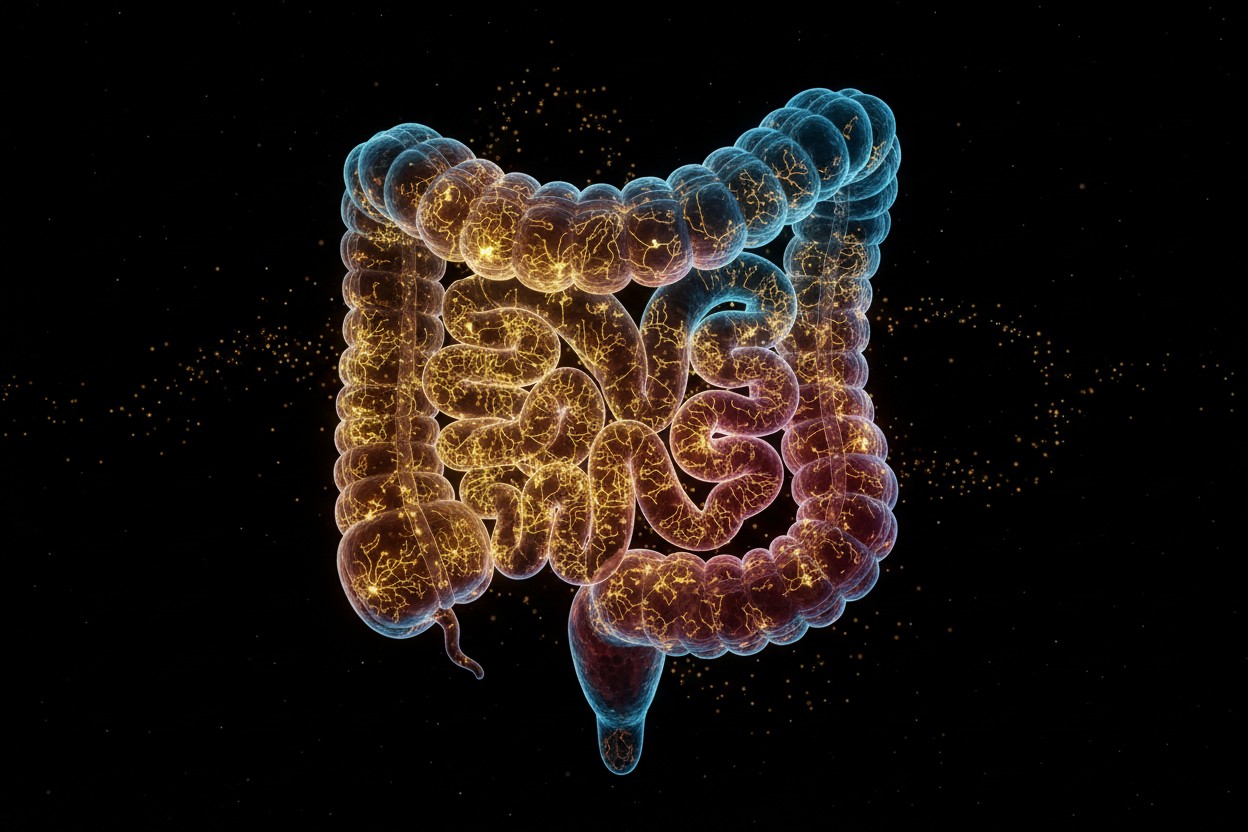
- On Day 4 of "Beyond The Diagnosis," Jonathan Otto and a panel of experts argued that modern medicine treats symptoms while ignoring the gut, the true battlefield for chronic disease.
- Dr. Sabine Hazan explained that aging is linked to a loss of Bifidobacteria and new technology finally allows us to see these microbes in action.
- Martha Carlin described the microbiome as the body's internal pharmacy, noting that toxins and dysbiosis cause leaky gut, leading to systemic inflammation and diseases like cancer and Parkinson's.
- Dr. Indrani Raman highlighted a gut-kidney connection where dysbiosis increases intestinal permeability and kidney inflammation, criticizing modern medicine for merely managing disease instead of addressing root causes.
- Gabrielle Grandell warned that over-sanitation and antibiotic overuse kill beneficial gut flora, which are essential for numerous bodily roles.
The gut-everything connection
Dr. Sabine Hazan, a gastroenterologist who has spearheaded 61 clinical trials on the microbiome, explained that we've fundamentally misunderstood our relationship with microbes. "We always knew that disease begins in the gut, we always knew immunity begins in the gut, but we never really got to see these microbes in action, " she revealed. This new technology has shown that the whole process of aging is loss of Bifidobacteria. As noted by BrightU.AI's Enoch, Bifidobacteria are beneficial, gram-positive anaerobic bacteria naturally found in the human colon, particularly abundant in breastfed infants, where they help boost the immune system and produce essential nutrients like B-vitamins and folic acid. These saccharolytic microbes thrive on non-digestible carbohydrates, inhibit harmful pathogens and decline in number with advanced age. With 70% of the immune system residing in the gut and one in two men now facing cancer, the connection between gut health and systemic disease can no longer be ignored. Martha Carlin, founder of The BioCollective®, whose husband's Parkinson's diagnosis launched her into microbiome research, provided the mechanistic explanation. "The microbiome is the trillions of bacteria, fungi and viruses that live in and on our body and they function as our internal pharmacy, " she said. Carlin detailed how modern toxins, pharmaceutical pollution in water, glyphosate, mycotoxins and endotoxins, damage the gut's protective glycocalyx lining. "When the gut gets out of balance, you can be producing more of these endotoxins and they can actually poke holes or damage that very sensitive lining, " she warned. This leaky gut then becomes the gateway for systemic inflammation, the common denominator in cancer, Parkinson's, Alzheimer's and autoimmune diseases.Beyond band-aid medicine
Dr. Indrani Raman extended the argument to kidney disease, revealing a gut-kidney connection that mirrors the better-known gut-brain axis. "Dysbiosis we call it, when there is not a good gut bacteria, peoples have more intestinal permeability," she explained. "That gut-kidney access also increases more inflammatory substances that come from the gut, that also raise inflammation in the kidneys. " "We are not even looking at the root cause, but we are just doing a disease management; we're just putting Band-Aids," she added. Perhaps the most alarming insight came from Carlin's explanation of how gut disruption extends to mitochondrial damage, the energy factories of our cells. "Antibiotics damaged the pathways in the mitochondrial gene expression, " she reported, citing a 2017 study. The damage persisted because antibiotic-resistant bacteria left behind had more impact on mitochondrial gene expression and energy production than even the antibiotics themselves. Gabrielle Grandell, a functional medicine dietitian, emphasized that the solution isn't more sanitization. "The over-sanitation and all of the overuse of antibiotics and all these things are killing off our good gut flora, our good gut buddies," she said. "That is a tragedy because they have so many roles in the body. " Treating any chronic disease without first fixing the gut is fundamentally misguided. As Dr. Hazan put it, modern medicine must shift from "kill the bug" to understanding the delicate balance between "blasting the microbiome and boosting the microbiome." The future of medicine, she suggested, lies not in neutralizing the body, but in learning to restore the ecosystem that sustains our very existence.Want to learn more?
The series is streaming for a limited time. This is your front-row seat to the conversations medicine has been designed to avoid. If you want to view the series at your own pace, you can purchase the "Beyond The Diagnosis" gold premium package here. Upon purchase, you will get instant and unlimited access to all 12 episodes of the series, 12 bonus episodes, full-length interviews with all 60+ experts, free autoimmune health assessment including a 1-on-1 consultation with a specialized health advisor, four live group coaching sessions with Jonathan Otto, two live masterclasses, nine "Beyond the Diagnosis" eBooks, five-part mini-series titled "The Nervous System Reset: Nature's Way to Reverse Chronic Illness" and more. Watch this informative video from Day 4 of "Beyond The Diagnosis." This video is from the BrightU Series Snippets channel on Brighteon.com. Sources include: BrighteonUniversity.com 1 BrighteonUniversity.com 2 Brighteon.com BrightU.com BrightU.aiMastodon
Parler
Gab
Copy
Tagged Under:
disease prevention immune system probiotics holistic health antibiotics chronic disease gut health gut microbiome leaky gut dysbiosis systemic inflammation Bifidobacteria microbiome diversity mitochondrial damage gut-brain connection endotoxins functional medicine Beyond The Diagnosis gut-kidney axis
You Might Also Like
Recent Studies Examine Vitamin D’s Role in Diabetes, Alzheimer’s and IBD Treatment
By Coco Somers // Share

These common ingredients can improve your hot workouts, boosting drive, endurance, and recovery
By Lance D Johnson // Share
Garlic Compound Shows Potential Anti-Aging Effect Through Fat Tissue Pathway, Study Finds
By Coco Somers // Share

Daily Step Count of 8,500 Linked to Long-Term Weight Maintenance, Meta-Analysis Finds
By Petra Stone // Share

Recent News



China draws hard lines ahead of Trump-Xi summit
By isabelle // Share

The Great Starvation: Why Global Famine Is Not an Accident
By healthranger // Share

The Strait of Hormuz Crisis Reveals What Would Happen if Climate Cultism Took Over
By healthranger // Share
Popular This Week