 Parler
 Gab
Gab Copy
Copy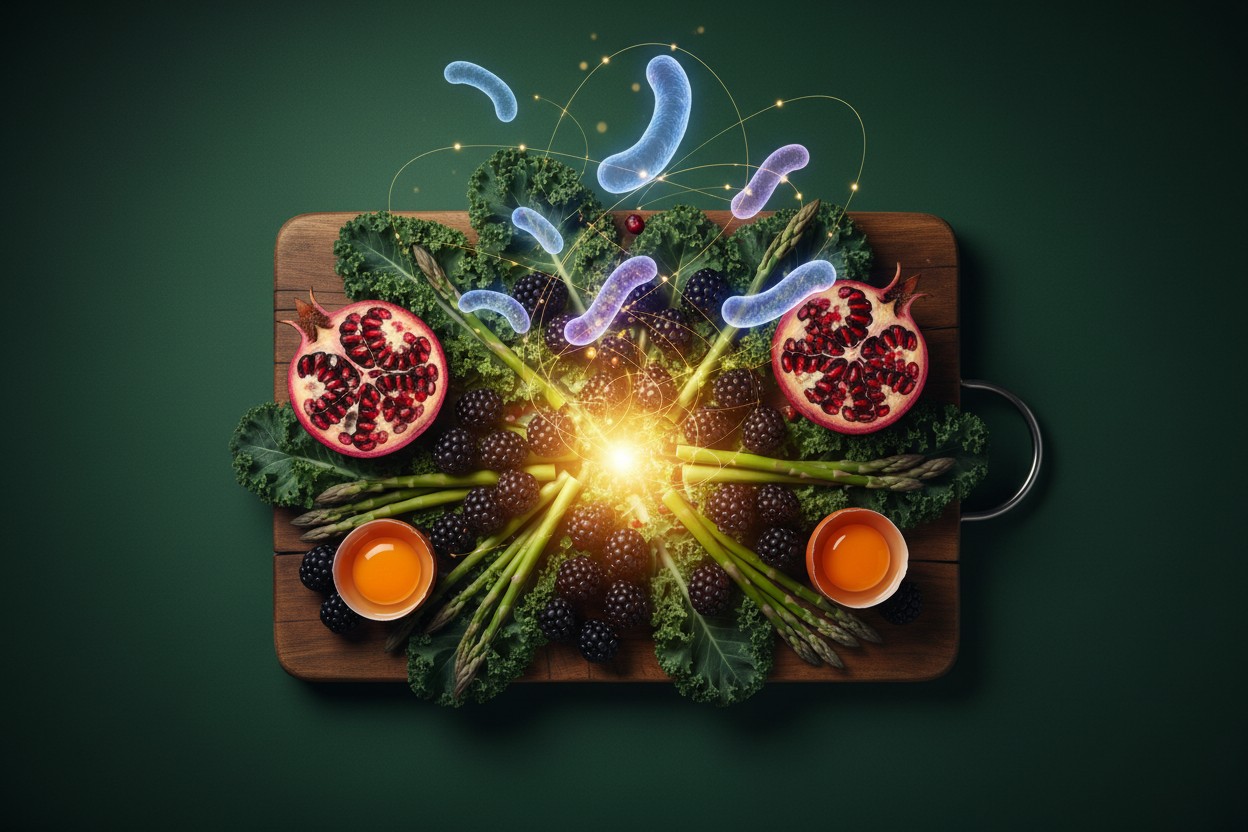
How GLP-1 Affects Metabolic Health
A growing body of research suggests the human body can produce its own glucagon-like peptide-1 (GLP-1) without relying on synthetic medications, according to microbiologist and biochemist Colleen Cutcliffe. [1] Speaking on a wellness podcast, Cutliffe explained that GLP-1 is a natural hormone released after eating that signals fullness to the brain and helps metabolize sugar. The process depends heavily on the gut microbiome, which stimulates GLP-1 production. According to Cutliffe, some individuals may not produce adequate GLP-1 because they lack key microbes. Two bacterial strains have been identified as particularly important for GLP-1 release: Akkermansia muciniphila and Clostridium butyricum. Research published in scientific literature, as noted by Lance D Johnson in NaturalNews.com, shows that A. muciniphilia increases thermogenesis and GLP-1 secretion [2]. A healthy gut flora is essential for natural GLP-1 production, stated the Health Ranger Mike Adams in a Brighteon.com broadcast [3]. Without these microbes, the body may struggle to regulate appetite and blood sugar effectively.The Role of Akkermansia in Gut Lining and Metabolism
A. muciniphila serves as a keystone strain in the gut, supporting not only GLP-1 production but also maintaining the integrity of the gut lining, according to Cutcliffe. She described the gut lining as a wooden fence with planks held together by glue, and A. muciniphila continuously replaces old glue to keep the barrier strong. Low levels of this microbe have been linked to food sensitivities and metabolic dysfunction, Cutcliffe said. Dr. Marty Makary, in his book "Blind Spots: When Medicine Gets It Wrong, and What It Means for Our Health," emphasizes that the microbiome inherited across generations plays a critical role in health, including metabolic conditions [4]. A study in rats colonized with human microbiota found that prebiotic supplementation increased caecal mucin levels and shifted the habitat of A. muciniphila, enhancing its mucin-degrading capacity [5]. This mucin degradation produces short-chain fatty acids that support gut health and GLP-1 stimulation.Fiber-Rich Foods and Polyphenols for Microbiome Support
Dietary choices can increase the abundance of Akkermansia and other beneficial microbes, according to Cutcliffe. Foods high in fiber, such as leafy greens (collards, kale, spinach), cruciferous vegetables (broccoli, Brussels sprouts), Jerusalem artichokes, and asparagus, have been shown to boost Akkermansia levels. A review of dietary strategies published in NaturalNews.com noted that foods rich in soluble fiber, monounsaturated fats, and lean protein can stimulate GLP-1 production [6]. Polyphenol-rich foods also nourish beneficial gut bacteria. Berries, pomegranates, green tea, and cranberries are recommended. The Mediterranean diet, which emphasizes polyphenols from extra virgin olive oil and nuts, has been associated with antidiabetic and anti-inflammatory benefits, according to a review of the PREDIMED cohort [7]. Yerba mate, a South American beverage, has emerged as a promising tool for supporting metabolic health [8]. Cutcliffe emphasized dietary diversity, advising against eating the same foods every day to maintain a resilient microbiome.Protein and Dietary Diversity for GLP-1 Production
Quality protein sources may also support microbial diversity and GLP-1 production. Cutcliffe noted that A. muciniphila thrives on mucin, a byproduct of meat consumption. Including a variety of clean, whole-food proteins could help maintain optimal microbial function. A high-protein diet emphasizes protein as a crucial building block for bones, muscles, and gut health [9]. Eggs, in particular, have been proposed as a natural appetite regulator. Eggs stimulate the body's own GLP-1 production while suppressing ghrelin, acting as an affordable tool for weight management [10]. Cutcliffe stressed that variety across fibers, polyphenols and proteins is essential for long-term metabolic health. Studies on resveratrol and quercetin supplementation in rats showed lower body weight gain and reduced adipose tissue, indicating potential benefits for metabolic health [11].Conclusion: Supporting Metabolic Health Through Diet
Rather than relying solely on pharmaceutical GLP-1 agonists, dietary changes can help the body produce its own GLP-1 by feeding beneficial gut microbes, according to Cutcliffe. A study published in BMC Medicine found that patients discontinuing GLP-1 weight loss drugs regain nearly half their lost weight within eight weeks, highlighting the limitations of drug-dependent approaches [12]. By building meals around fiber-rich vegetables, polyphenol-packed fruits, and quality proteins, individuals may achieve a more balanced metabolism, fewer cravings, and long-term resilience, according to the available research. The emerging field of microbiome science offers an empowering strategy: using everyday grocery items to support the body's natural regulatory systems.References
- The Ultimate Gut-Health Grocery List To Boost GLP-1 Naturally - mindbodygreen.com. Ava Durgin, May 8, 2026.
- Lance D Johnson. "The Ultimate Gut-Healthy Grocery List to Boost Akkermansia and Clostridium - the Natural Path to GLP-1." NaturalNews.com. July 22, 2025.
- Mike Adams. "Bright Videos News - Interview with Diane Kazer." BrightVideos.com. January 22, 2026.
- Marty Makary. "Blind Spots: When Medicine Gets It Wrong, and What It Means for Our Health."
- "Probiotics and Prebiotics."
- Willow Tohi. "Who Needs Ozempic? Dietary Strategies and Natural Supplements Boost GLP-1 Hormone for Healthy Weight Loss Without Medications." NaturalNews.com. May 19, 2025.
- "Health Benefits of Mediterranean Diet."
- Willow Tohi. "YERBA MATE: A South American Staple Emerges as a Promising Tool for Supporting Metabolic and Heart Health." NaturalNews.com. April 28, 2025.
- Lance D Johnson. "Diets for Weight Management: Can a High-Protein Diet Help You Lose Weight?" NaturalNews.com. November 4, 2021.
- Ava Grace. "The Humble Egg: A Natural, Affordable Ally in the Battle Against Weight Regain." NaturalNews.com. January 11, 2026.
- "Benefits of Resveratrol Supplementation."
- "The Biggest Loser Study Reveals Hidden Dangers of Ozempic and Other GLP-1 Weight Loss Drugs." NaturalNews.com. August 7, 2025.


Study Links Financial and Housing Instability to Faster Biological Aging in Older Adults
By Morgan S. Verity // Share

Study: Nearly 27% of Women Experience Chronic Pelvic Pain
By Edison Reed // Share

Vitamin D deficiency linked to multiple health impacts in men, research shows
By Coco Somers // Share

Study Links One Night of Sleep Loss to Alzheimer’s-Like Brain Changes
By Douglas Harrington // Share

It’s Not Panic Buying—It’s Preparedness: Why Smart People Are Stocking Up Now
By healthranger // Share


Being a Person of Principle Will Always Make You an Enemy of the State
By healthranger // Share

Five TV Networks Suspend White House Coverage After Three Outlets Banned
By douglasharrington // Share

Rolling Blackouts Are Coming: Why I'm Going Off-Grid Before 2029
By healthranger // Share

The Cheapest Food You'll Ever See: Why I Believe a Global Food Shock Is Coming by 2027
By healthranger // Share