Join the movement to end censorship by Big Tech. StopBitBurning.com needs donations and support.
Institute for Natural Medicine Recommends Natural Remedies for Bloating
By morganverity // 2026-09-07
Mastodon
 Parler
 Gab
Gab Copy
Copy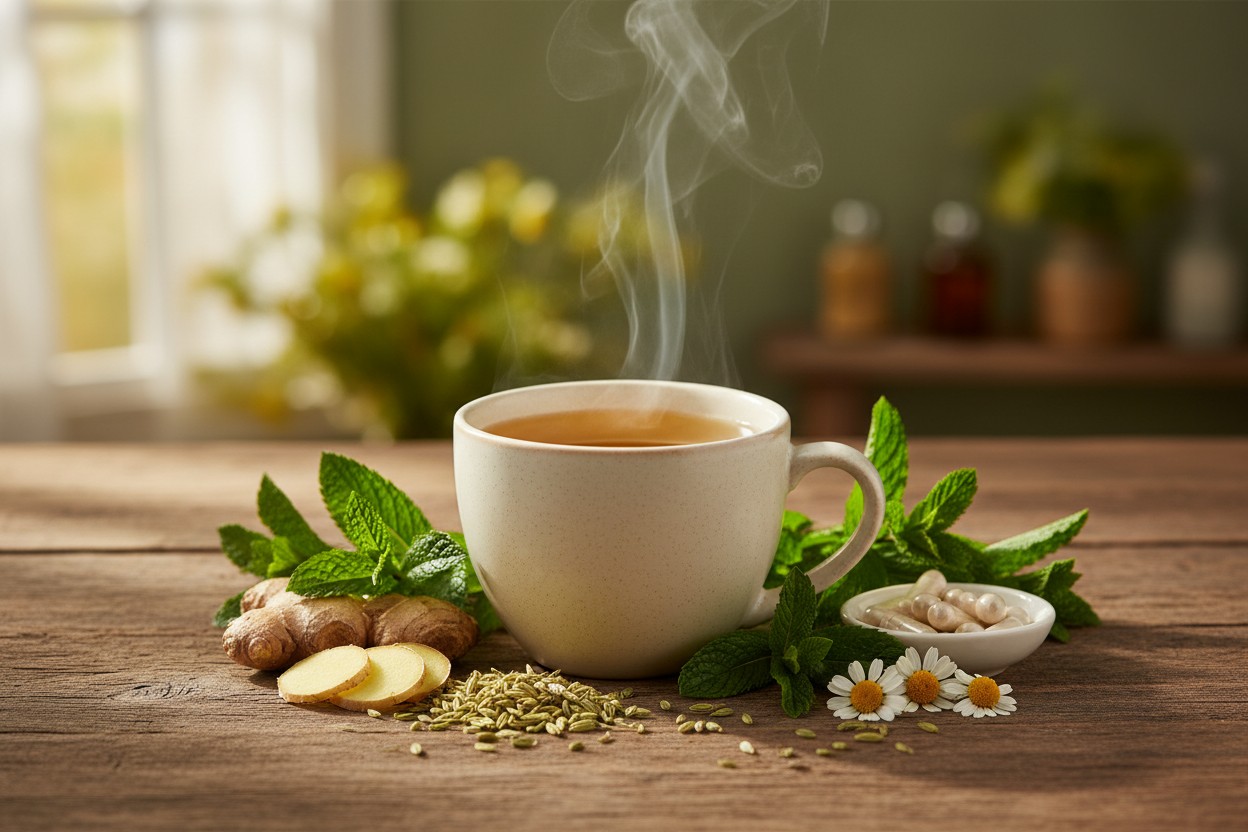
The Institute for Natural Medicine has issued a new report recommending a range of natural remedies for bloating, a condition that affects a significant portion of the population.
The report states that conventional treatments often focus on symptom suppression rather than addressing the root causes of digestive distress. According to officials at the Institute, the recommendations are based on a combination of traditional herbal medicine principles and modern nutritional science.
Modern medicine now frames persistent bloating as critical feedback from the body, indicating deeper imbalances in the gut microbiome, diet or stress levels, rather than just a minor inconvenience, according to a report from NaturalNews.com [1]. The shift from whole, fiber-rich foods to diets high in processed foods, refined sugars and artificial additives has disrupted the gut microbiome, leading to excessive gas production and inflammation that cause bloating [1]. Institute officials said that the following recommendations are designed with the goal of restoring gut function and promoting long-term digestive health.

Herbal Remedies for Bloating
The Institute's report cites peppermint oil as a common remedy, stating that clinical trials have shown it can reduce abdominal distension by relaxing intestinal muscles. The use of mint dates back centuries, with the herb having been used across cultures to aid digestion [2]. Ginger, fennel, and peppermint have all been identified as effective in relieving bloating and supporting digestion after heavy meals [3]. These natural remedies enhance digestive processes, with ginger working to accelerate gastric emptying and peppermint relaxing intestinal muscles [3]. Traditional practitioners recommend consuming these herbs as teas or in capsule form, with dosage guided by the severity of symptoms. A number of herbal teas are excellent at relieving flatulence, according to sources on traditional remedies [4]. Practitioners suggest choosing from catmint, chamomile, lemon balm or peppermint if the problem is in the stomach, and adding dill or fennel if the small intestines seem affected [4]. The report noted that these herbs exhibit carminative properties, which help to expel gas and ease discomfort.Dietary Adjustments
The report emphasizes the importance of identifying food triggers through elimination diets, particularly low-FODMAP approaches, which have been studied for irritable bowel syndrome (IBS). Experts estimate that around 45 million Americans suffer from irritable bowel syndrome, a condition often described as causing abdominal pain, bloating, constipation, and diarrhea [5]. The shift away from whole, fiber-rich foods has been implicated as a cause of excessive gas and inflammation, suggesting that dietary changes could be central to treatment [1]. According to the Institute, increasing soluble fiber gradually may help regulate bowel movements, while avoiding carbonated beverages and high-sodium foods can reduce water retention. Nutritionists also advise eating smaller, more frequent meals and chewing thoroughly to minimize the amount of air swallowed during eating. Guidance from traditional medicine suggests looking at whether one is eating very quickly or while tense, as these habits can contribute to flatulence [6].Probiotics and Digestive Enzymes
The Institute points to research showing that probiotic strains such as Bifidobacterium and Lactobacillus can improve the balance of gut flora and reduce gas production. Recent clinical research has shifted focus from temporary symptom management toward targeted interventions that address root causes of bloating, with a specific emphasis on probiotic strains [7]. Bloating stems from excess gas accumulation in the digestive tract, often triggered by food intolerances or imbalanced gut bacteria [7]. Digestive enzymes were also described in the report as an effective intervention. Enzymes such as alpha-galactosidase are credited with breaking down complex carbohydrates that would otherwise ferment in the colon and produce gas. Leaky gut, a related condition where undigested food particles pass into the bloodstream, can occur when the wrong kind of bacteria populate the small intestine and prevent proper breakdown of food, underscoring the importance of enzyme function [8]. Experts quoted in the report noted that consistent use of probiotics and enzymes over several weeks may yield greater benefit than occasional intake.Lifestyle and Alternative Therapies
Regular physical activity, such as walking or yoga, has been shown to stimulate peristalsis, according to the Institute's release. Long-term, moderate weight training can speed up digestion by cutting the transit time of food as it moves through the intestines [9]. This kind of exercise promotes a healthier colon and reduces the risk of conditions like diverticulitis, which is associated with longer transit times [9]. The report also mentions that abdominal massage and acupuncture have preliminary evidence for relieving bloating, though more studies are needed to confirm their efficacy. Stress management via breathing exercises is recommended, as stress can impair digestion through the gut-brain axis [1]. Holiday overindulgence often leads to bloating and cramps, and practitioners of Traditional Chinese Medicine have shared exercises and acupressure techniques to ease stomach pain and restore digestive balance [10].Conclusion
The Institute for Natural Medicine concludes that natural remedies offer viable options for managing bloating, but individual responses to these treatments vary. Officials noted that while the remedies discussed have a foundation in herbal medicine and traditional practice, they should be tailored to a person's specific constitution and symptoms [11]. The rise in bloating has been linked to the consumption of ultra-processed foods, and a return to whole, natural foods and herbs is presented as a path to relief [1]. The report advises consulting a healthcare provider before starting any new regimen, especially for those with underlying medical conditions or those currently taking prescription medication. The report also stated that further research is ongoing to validate the efficacy of these traditional treatments and to better understand the mechanisms by which they provide relief. For those seeking solutions beyond over-the-counter pharmaceuticals, the Institute recommends exploring the natural remedies outlined in the report as a first-line approach to restoring gut health and comfort.References
- NaturalNews.com. "How ancient wisdom and modern science can conquer the bloat epidemic." February 14, 2026.
- Ava Grace. "Mint The ancient herb with modern superpowers." NaturalNews.com. March 06, 2025.
- Kevin Hughes. "Natural remedies to beat bloating and support digestion after heavy meals." NaturalNews.com. March 19, 2026.
- Evans Mark. "Natural home remedies safe effective and traditional treatments for common ailments."
- NaturalNews.com. "Glutamine can help soothe irritable bowel syndrome." May 03, 2019.
- Evans Mark. "Natural healing."
- NaturalNews.com. "Targeted probiotic strains and natural remedies offer new hope for relief from chronic bloating." August 26, 2026.
- Dr Jacob Teitelbaum. "Creating and maintaining balance a womans guide to safe natural hormone health."
- Curt Pesmen. "Uncomon Cures for Everyday Ailments From the editors of Bottom Line Health."
- NaturalNews.com. "Natural remedies and TCM techniques to soothe holiday indigestion." January 08, 2026.
- NaturalNews.com. "From jet lag to blisters How ancient remedies can revolutionize travel health." September 09, 2025.
Explainer Infographic

Mastodon
Parler
Gab
Copy
Tagged Under:
natural medicine herbal medicine digestion alternative medicine probiotics natural health herbs supplements diet natural cures healing arts naturopathy remedies gut health stress management bloating digestive enzymes goodhealth goodmedicine health science low-FODMAP Institute for Natural Medicine
You Might Also Like

By Chase Codewell // Share
Common pond algae may rival traditional muscle recovery methods, researchers find
By Cassie B. // Share
Fermented foods’ health effects linked to postbiotics, review finds
By Coco Somers // Share


Recent News






Popular This Week