 Parler
 Gab
Gab Copy
Copy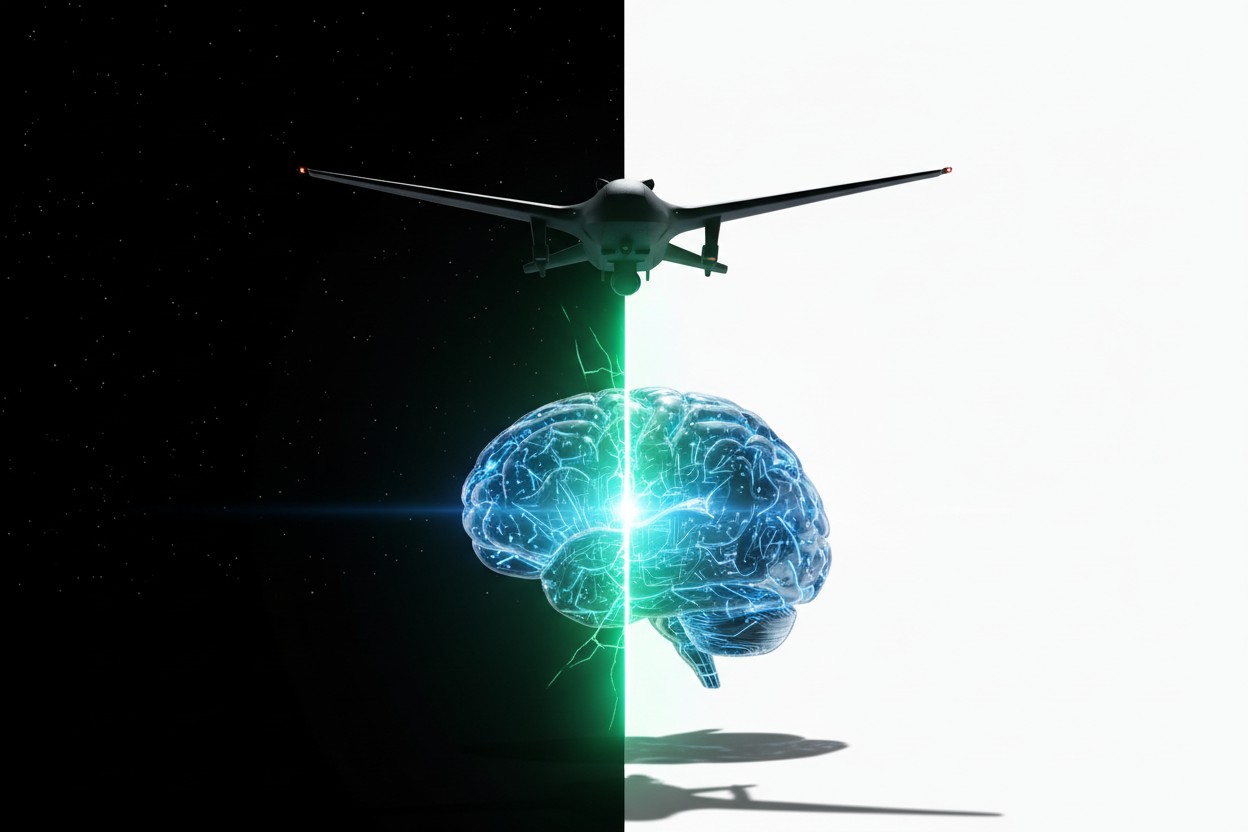
- U.S. District Judge Rita Lin ruled that the Pentagon’s designation of Anthropic as a “supply-chain risk” was illegal, baseless, and violated the First and Fifth Amendments.
- The dispute began when Anthropic refused to allow its Claude AI model to be used for mass domestic surveillance or fully autonomous weapons, citing safety and civil rights concerns.
- Defense Secretary Pete Hegseth and President Donald Trump retaliated by blacklisting Anthropic, calling the company a “radical left, woke company” and an “ideological lunatic.”
- The ruling overturns the blacklisting and bars enforcement of Trump’s order to stop using Anthropic tools, with the government potentially facing an appeal.
- Anthropic has a separate lawsuit pending in Washington, D.C., over a second supply-chain risk designation that could affect civilian government contracts.
Pentagon demands absolute control over Anthropic, defying ethical guardrails
The conflict began when the Pentagon demanded that Anthropic allow the military to use Claude for “any lawful use,” including operations that the company deemed unethical. Anthropic CEO Dario Amodei stated in February that while he supports military applications of AI, he drew a firm line against mass domestic surveillance and the use of frontier models in autonomous weapons systems, arguing they are not reliable enough for that task. This position, grounded in the company’s own safety research, should have been a reasonable boundary for a private contractor. Instead, it triggered an unprecedented government campaign to destroy the company. Defense Secretary Pete Hegseth responded by comparing Anthropic’s restrictions to “Boeing giving us airplanes and telling us who we can shoot at,” a telling analogy that reveals the military’s expectation of absolute control over private technology. Hegseth called Amodei an “ideological lunatic,” while Trump ordered federal agencies to cease using Anthropic technology on February 27, branding the company a “radical Left AI company.” The Pentagon then designated Anthropic a “supply-chain risk” under an obscure procurement statute historically reserved for foreign adversaries, marking the first time an American company has been publicly labeled as such. The designation threatened to cost Anthropic billions of dollars in lost business and reputational harm, effectively crippling the company.Government coercion will continue to pressure AI companies into spying and creating autonomous killing machines
Judge Lin’s 59-page ruling dismantled the government’s case with precision. She wrote that “the empty invocation of national security is not a blank check to punish and retaliate against government critics.” She noted that Hegseth’s supply-chain designation violated the statute invoked by the Pentagon, was “arbitrary and capricious,” and amounted to unlawful retaliation under the First Amendment. Lin emphasized that the government sought to make a public example of Anthropic for its “arrogance” in criticizing Washington. She also found that the Pentagon denied Anthropic due process under the Fifth Amendment by imposing sanctions without allowing the company to contest the allegations first. The Pentagon’s argument that private companies should not be able to constrain military action was rejected by the court. Lin stressed that the Pentagon “is undisputedly free to select the AI vendor of its choice” and remains free to abandon Claude if Anthropic’s conditions do not meet its requirements. Yet the Pentagon itself had been reluctant to lose access to the model, with one defense official telling Axios in February that “the problem for these guys is they are that good.” This admission exposes the hypocrisy of the government’s position: the military wanted Anthropic’s technology but could not accept the company’s ethical conditions, so it attempted to crush the company instead. The ruling is a temporary victory for constitutional protections, but the battle is far from over. A separate lawsuit from Anthropic is pending in Washington, D.C., over another supply-chain risk designation that could lead to its exclusion from civilian government contracts. The government may appeal Judge Lin’s decision, and the broader legal landscape for AI ethics remains uncertain. What is clear is that the Pentagon’s attempt to coerce Anthropic into spying and killing for the U.S. government was illegal, and the court has said so. The question now is whether other AI companies will have the courage to set similar ethical boundaries or will be intimidated into compliance by a government that views private conscience as a threat to its power. Sources include: RT.com BBC.com TheGuardian.com
Report Outlines Urban Survival Strategies for Civil Unrest and Infrastructure Failure
By Iva Greene // Share

UN peace envoy warns: Stalled Gaza ceasefire risks a “point of no return”
By Willow Tohi // Share

China Faces Questions Over Flood Warning Timing as Nepal Death Toll Reaches 469
By Douglas Harrington // Share

Why a Third Party Won’t Save America, But It Might Help Manage the Reboot
By Mike Adams // Share
Darline Graham secures GOP Senate nomination in South Carolina, continuing political dynasty
By Willow Tohi // Share

CIA director delivers secret warning to Russia on Baltic states, Iran support
By isabelle // Share

Bad sleep habits linked to painful hemorrhoids, researchers say
By isabelle // Share
Why a Third Party Won't Save America, But It Might Help Manage the Reboot
By healthranger // Share

Why Western Governments Fear the Uncontrollable: Open Source AI Is Humanity's Great Liberator
By healthranger // Share

Federal Judge Strikes Down Texas Law Restricting Drag Performances in Presence of Minors
By bellecarter // Share