 Parler
 Gab
Gab Copy
Copy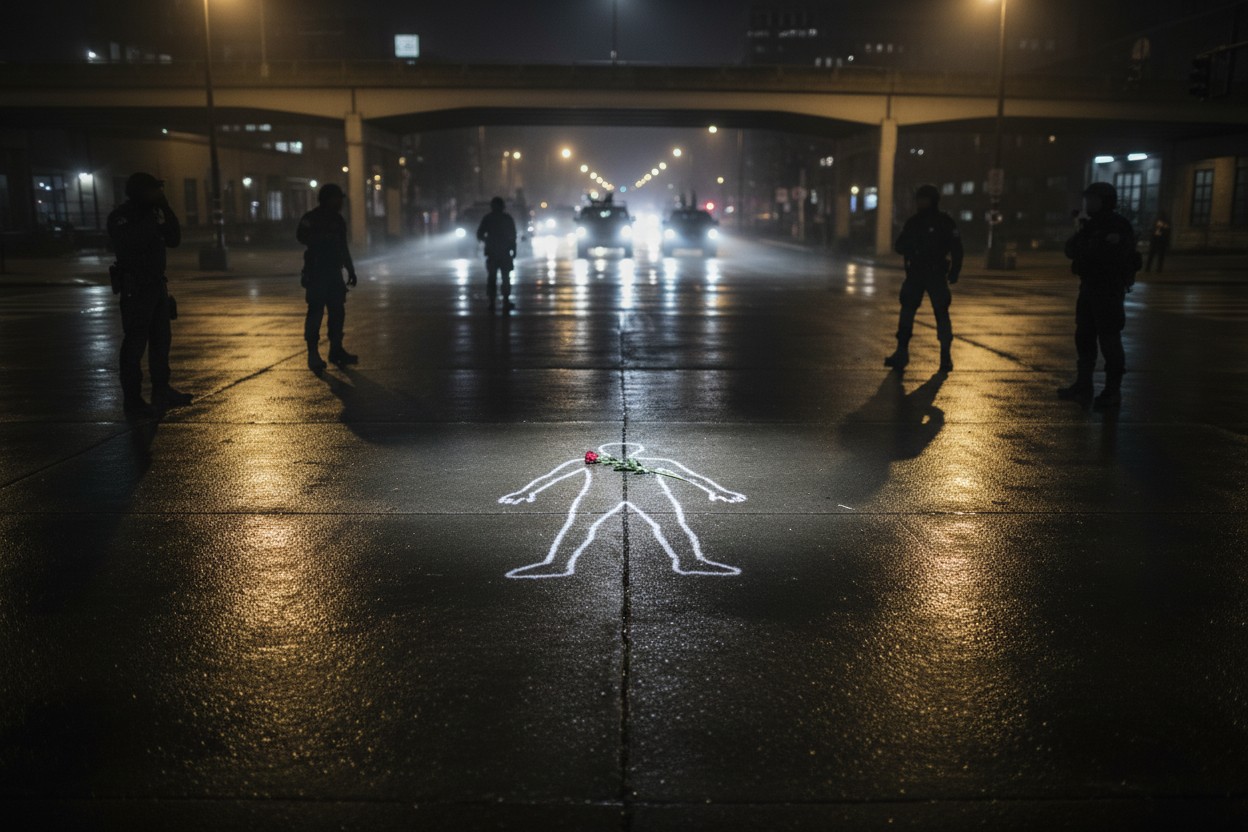
- ICE agents shot and killed two American citizens in January 2026, with a third case from March 2025 uncovered a year later.
- The Wall Street Journal identified 13 instances of immigration officers firing at civilian vehicles since July 2025, resulting in 8 gunshot wounds and 2 deaths.
- At least 5 people shot by ICE during this period were U.S. citizens.
- DHS denies all reports of abuse, torture and medical neglect despite detailed testimony from 10 deportees, reported by the NYTimes.
- Federal police training standards prohibit firing into moving vehicles except in extreme circumstances.
The pattern of deadly force against moving vehicles
The Department of Homeland Security has repeatedly attempted to justify shootings of civilians by claiming drivers were weaponizing their vehicles or attempting to ram agents. However, video evidence in multiple cases has shown drivers attempting to maneuver away from agents at the time of the shooting. The federal government’s own training standards, including those from the Department of Justice, explicitly train officers not to fire into moving vehicles. These standards exist because firing at a moving driver is inherently dangerous, risks hitting innocent people in the vehicle or on the street and can lead to catastrophic collisions when the driver dies. Police are also trained not to endanger themselves by standing in front of moving vehicles, and that intentionally putting themselves in danger does not create a right of self-defense. Safer alternatives exist, including recording license plates and tracking down occupants later. Yet ICE agents have continued this practice, resulting in deaths of U.S. citizens whose only crime may have been attempting to leave a situation that felt threatening.The denial machine at DHS
When the New York Times reported on 10 deportees who experienced torture, beatings and medical neglect in ICE detention facilities, the Department of Homeland Security responded with characteristic deflection. “Another day and another hoax about ICE detention from the @nytimes,” DHS wrote on social media. “The media is clearly desperate for these false allegations to be true. NO ONE is being tortured, denied medical care, or beaten in ICE detention facilities.” The department went further, arguing that such reporting is “fueling the more than 1,300% increase in assaults against our officers.” This response avoids engagement with specific allegations, including Leonardo Sánchez’s account that ICE officers forced him and three other deportees onto a tarmac in Liberia, twisted their handcuffs, pinned them to the ground and pressed knees onto their necks. Carlos Téllez-Sanchez told the Times, “They didn’t treat us like people, like human beings. They can say or do anything to you and there’s nothing you can do.” Other deportees said ICE officials denied medical care to pregnant women and housed detainees where up to 50 people shared one toilet.When the enforcer becomes the threat
The deaths of Good, Pretti and Martinez raise fundamental questions about who immigration enforcement operates for and what accountability exists when agents kill American citizens. The Trump administration has struck deportation deals with at least 35 countries, sending migrants to nations where they have no connections. The administration deported Venezuelan migrants to Liberia despite them having no ties to the African nation. Meanwhile, DHS officials claim death threats against officers are up 8,000 percent, with assaults up 1,300 percent. But when the Times sought comment from across the administration about the claims of deportees, the department responded with denial rather than investigation. The Times defended its reporting, stating its four journalists “rigorously reported it” by interviewing 10 people and obtaining corroborating information. As these cases mount and the denials continue, the American public must recognize that unchecked power in immigration enforcement threatens not only non-citizens but the constitutional rights of every person on American soil. Sources include: TheHill.com NYTimes.com Wikipedia.org WSJ.com X.com
Senate Subcommittee Probes Flock Safety Over License-Plate Surveillance Network
By Douglas Harrington // Share

Ukraine Peace Talks on Hold, No New Proposals, Kremlin Says
By Garrison Vance // Share
Russian Forces Strike Transport and Logistics Center Near Kyiv
By Garrison Vance // Share

U.S. Diplomats Return to Middle East Embassies, Signaling Reduced Risk of Renewed War
By Garrison Vance // Share

The Ukraine-Russia Conflict: Strategic Failures and the Specter of Nuclear Catastrophe
By Garrison Vance // Share

U.S. Strikes in Iran Reported to Cut Water Supply for 20,000
By Iva Greene // Share

Unbreakable: How to Defeat the Genetic Kill Switch That Has Been Unleashed Upon Humanity
By healthranger // Share

Trump's Venezuelan Oil 'Deal' Is Pure Fantasy: Here's the Reality You're Not Supposed to Know
By healthranger // Share

Iraq insists September 30 is “fixed and final” date for full U.S. troop withdrawal
By isabelle // Share

TCM practitioner: Detox is natural, timing matters more than drastic cleanses
By isabelle // Share
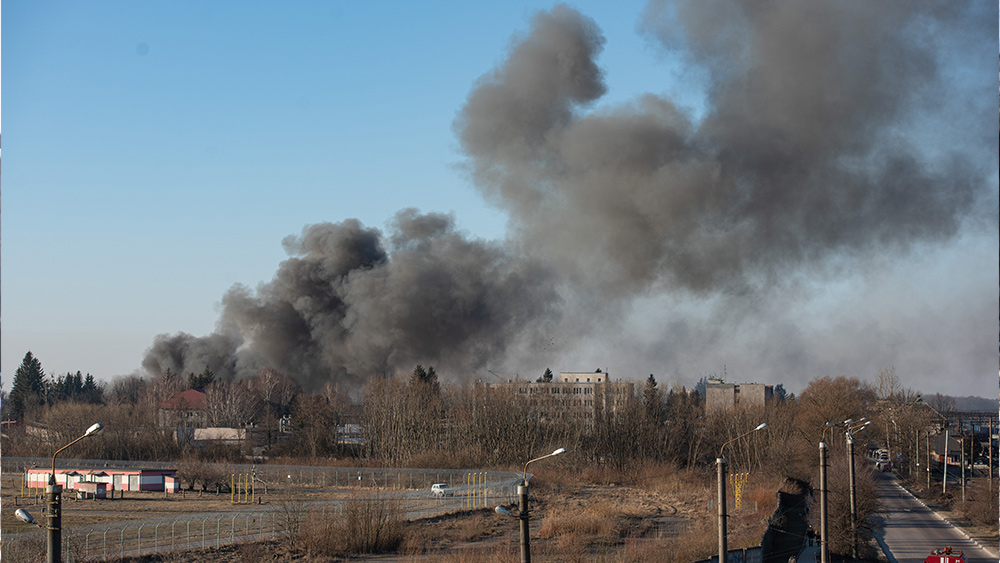
Zelensky blames “terrible negligence” after Kyiv ammo depot strike kills 38
By isabelle // Share