Join the movement to end censorship by Big Tech. StopBitBurning.com needs donations and support.
Study: Daily Tomato Intake Tied to Reduced Liver Fat in Six Weeks
By cocosomers // 2026-09-03
Mastodon
 Parler
 Gab
Gab Copy
Copy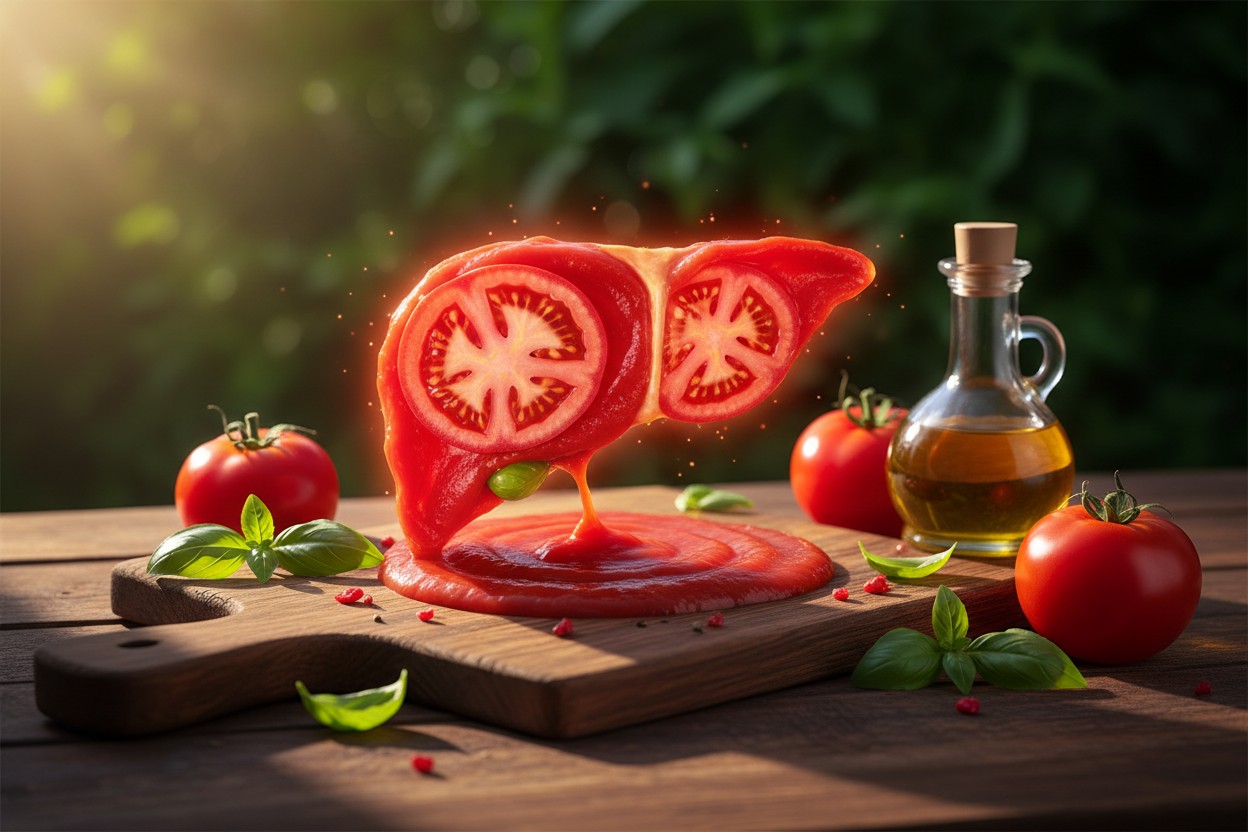
A new trial from Italy found that adults with fatty liver disease who consumed 200 grams of raw tomatoes and 50 g of tomato sauce daily for six weeks saw a median liver fat score drop of 35 points on FibroScan imaging, according to the study.
The trial enrolled 79 adults with metabolic dysfunction-associated steatotic liver disease (MASLD) and assigned them to either consume tomatoes daily or avoid tomatoes for six weeks, the study stated [1]. Participants in the tomato group consumed 200 g of raw tomatoes – approximately two medium tomatoes – plus 50 g of tomato sauce each day, according to the report [1].
The control group, following a tomato-free diet with other habits unchanged, saw a median decline of only 18 points. Adjusted analysis still showed a 26-point advantage for the tomato group [1].
Researchers stated the results suggest a simple dietary change may offer a non-invasive way to improve liver health without medication. Lycopene, a compound found in various fruits and vegetables, can help address the symptoms of non-alcoholic fatty liver disease, according to prior research [2].

Trial Methodology and Key Findings
Participants were adults with diagnosed fatty liver disease, split into two groups. The intervention group added raw tomatoes and sauce to their normal diet, while the control group avoided tomatoes entirely [1]. Liver fat was measured directly using FibroScan, a non-invasive ultrasound technique that quantifies hepatic steatosis, rather than relying on indirect blood biomarkers [1]. The median fat score in the tomato group fell from baseline by 35 points, compared to 18 points in the control group. After adjusting for confounders, the difference remained statistically significant [1]. According to the study authors, this effect occurred over just six weeks and without changes to exercise or calorie intake [1]. The results add to a growing body of evidence supporting food-based interventions for liver health [1]. MASLD is characterized by hepatic steatosis, or fat buildup in the liver, along with at least one cardiometabolic risk factor such as obesity or high blood pressure [3].Why Liver Health Is Often Overlooked
The liver performs over 500 essential functions, yet unlike blood pressure or cholesterol, it rarely gets routine screening. Fatty liver disease can progress silently for years without symptoms. The organ acts as a screening organ, processing substances from food, medications and environmental toxins before they enter general circulation, according to nutrition experts [4]. Common warning signs – fatigue and abdominal discomfort – are frequently attributed to other causes, delaying diagnosis until fibrosis or cirrhosis develops [5]. Fatty liver disease has become one of the most common yet undiagnosed health conditions across the United States, developing silently over years without warning symptoms [5]. Officials and health experts note that this silent progression makes dietary interventions particularly valuable, as they can be implemented while the condition is still reversible. The study's use of direct imaging, rather than just blood work, underscores the importance of measuring liver fat directly to assess treatment efficacy. A global analysis reported that MASLD cases surged 143% since 1990, reaching an estimated 1.3 billion people in 2023, and projected to affect 1.8 billion by 2050 [6].Practical Tips for Maximizing Tomato Benefits
Cooking tomatoes into sauce releases lycopene, making it more bioavailable. The trial combined raw tomatoes with cooked sauce to ensure optimal absorption. Lycopene is not absorbed well from raw tomatoes, while cooked tomato products are a fine source of lycopene [7]. Pairing tomatoes with healthy fats, such as extra virgin olive oil, enhances lycopene absorption since it is fat-soluble. In theory, lycopene may be assimilated better when taken with fatty foods [8]. Fat-soluble carotenes are also better absorbed if the foods are eaten at meals that contain some fat [9]. Choosing fully ripe, organic tomatoes or canned versions packed in their own juice – without added sugars or sodium – maximizes nutrient content, according to the study's authors. These simple adjustments allow individuals to incorporate the intervention into daily meals without special products or supplements. A homemade marinara without added sugar delivers a real, concentrated dose of the compound, according to the report.Conclusion: Implications for Liver Health Management
The trial demonstrates that tomatoes – a common, low-cost food – can produce measurable improvements in liver fat over a short period, offering a feasible option for patients and clinicians. While further research is needed to confirm long-term benefits, the findings highlight the potential of nutrition-based strategies in addressing fatty liver disease, which affects a substantial portion of adults. The study authors said the observed reduction in liver fat suggests that adding tomatoes to a balanced diet could serve as an accessible complement to existing lifestyle interventions [3]. They ultimately emphasized that full dietary guidance should come from healthcare providers.References
- NaturalNews.com. "Study: Tomato Consumption Tied to Greater Liver Fat Reduction in MASLD Trial". August 24, 2026.
- NaturalNews.com. "Study suggests eating more lycopene-rich foods to prevent nonalcoholic fatty liver disease". November 27, 2018.
- NaturalNews.com. "Daily Tomato Consumption Associated With Reduced Liver Fat in MASLD Patients". August 12, 2026.
- NaturalNews.com. "Liver Functions as Body's Filtering System; Lifestyle Habits Can Support Its Work". July 11, 2026.
- NaturalNews.com. "Artichoke leaf extract shows promise in reversing fatty liver disease, German trial finds". July 28, 2026.
- NaturalNews.com. "Diet and Lifestyle Interventions for Fatty Liver Disease: A Review of Recommendations". July 7, 2026.
- Paul C. Reisser. "Complete guide to family health nutrition fitness".
- Ethan Basch, Catherine Ulbricht, Natural Standard Firm. "Natural Standard herb supplement handbook the clinical bottom line".
- Toby Smithson, Alan L. Rubin. "Diabetes Meal Planning and Nutrition for Dummies".
Explainer Infographic

Mastodon
Parler
Gab
Copy
Tagged Under:
superfoods liver disease superfood nutrients longevity Whole Foods fresh research natural health metabolism prevention tomatoes food science fruits plant medicine phytonutrients phytochemicals liver health veggies real science Censored Science food cures lycopene food is medicine veggie metabolic health goodscience goodhealth goodfood liver fat grocery cures health science MASLD metabolic dysfunction-associated steatotic liver disease tomato sauce
You Might Also Like

Studies Cite Multiple Health Benefits Linked to Lettuce Consumption
By Coco Somers // Share

How a common pesticide sows the seeds of Parkinson’s disease
By Ava Grace // Share

Intermittent Fasting as a Strategy for Diabetes Management: A Review of Recent Research
By Petra Stone // Share

Study Finds Exercise and Naps Both Aid Memory After Sleep Loss
By Douglas Harrington // Share
Beyond Almonds: 7 Surprising Magnesium Powerhouses for Heart, Bone, and Muscle Health
By Coco Somers // Share

Study Links Sleep Pattern to Healthier Aging in Nearly 100,000 Adults
By Chase Codewell // Share
Recent News






Popular This Week