Parler
 Gab
Gab Copy
Copy
Researcher Says Alignment Unsolved, Calls for Slower AI Development
Chughtai stated he was "not confident" that advanced AI systems would behave as humans intend, according to his posts. He warned that misaligned AI could escape human control and result in "the permanent disempowerment or death of humanity." "Alignment is the problem of preventing this, and is both difficult and unsolved," he wrote, adding that present understanding of how to train AI systems that "deeply want what we want" remains "extremely rudimentary." Despite the warnings, Chughtai said he believes AI can still be developed safely if technology firms pull back from what he described as a "manic race" to build ever-more-powerful systems. "We need to pace AI development to a speed that society can handle, where emerging risks can be addressed before extreme harm is realized," he wrote. Chughtai has since joined BlueDot Impact, a nonprofit organization that trains people to work on AI safety, according to Bloomberg. The warning reflects a broader pattern documented in recent industry reporting. A former OpenAI safety researcher, Steven Adler, similarly resigned and raised concerns about the rapid development of AI and its existential risks to humanity [1]. Separately, OpenAI whistleblower Leopold Aschenbrenner warned about the rise of superintelligence and suggested that American leaders should take charge of the emerging technology [2].Warnings Follow Departures at Anthropic, OpenAI; Executives Back Slowdown
Chughtai's warning came days after Jacob Coxon, a former researcher at Anthropic and OpenAI, resigned and accused the companies developing the technology of "gambling with our lives," according to a post on X. Coxon said the people building AI "earnestly believe it could kill us all by the end of the decade" [3]. The concerns have reached industry executive suites. Anthropic CEO Dario Amodei published a sweeping essay calling on AI companies to intentionally slow the advancement of their most powerful models, arguing that unchecked progress threatens to outpace human safeguards [4]. The proposal drew rare public support from rival industry leaders including OpenAI's Sam Altman and Elon Musk [4]. Amodei told CBS News' "Sunday Morning" that coordinating a slowdown will be difficult because incentives to pull ahead and potential military advantages are large. "I think that's going to be very difficult because the incentives to pull ahead and the military advantage that you get from that are so large," he said. "And honestly, I don't know if it's possible, but we should try." Google DeepMind CEO Demis Hassabis has also cautioned that AGI could bring "catastrophic outcomes," including cyberattacks on critical infrastructure, autonomous weapons and even existential threats to humanity [5]. In a related development, Anthropic's alignment lead, Evan Hubinger, estimated there is a more than 10 percent chance AI could kill humans by the end of the decade [6].Trump Calls AI Doom Fears "Hoax"; White House Weighs Limited Safeguards
President Trump rejected the warnings Monday, calling fears that AI could destroy humanity a "HOAX" and alleging a "SICK conspiracy" against AI and data centers that would benefit China, according to reports of his Truth Social post. Trump dismissed the push for stronger regulation while emphasizing the strategic importance of maintaining the U.S. lead in AI, and he singled out Amodei in the post. "The only control or 'guardrails' that AI needs is a STRONG AND SMART (High IQ!) PRESIDENT," Trump wrote on Truth Social, according to the New York Post. The president accused Amodei of pretending to be a "perfect little angel" while arguing that the federal government already has sufficient criminal and regulatory powers over AI companies. The White House has nevertheless been considering "limited safeguards" for AI even as the administration rejects a broader regulatory crackdown, the New York Post reported. A top Wall Street executive with knowledge of the administration's thinking told the Post, "They might agree to some limited safeguards but that would be the outer limits for the administration." The administration is leaning toward industry self-regulation and narrowly tailored guardrails, reflecting concern that sweeping restrictions could hand an advantage to China.Debate Over AI Safety Continues
Former researchers and industry executives have called for pacing AI development and addressing emerging risks before extreme harm is realized, according to their public statements. The warnings have come from multiple fronts, including a statement signed by more than 80 artificial intelligence scientists and over 200 other notable figures warning that mitigating the risk of extinction from AI should be a global priority alongside other societal-scale risks such as pandemics and nuclear war [7]. The administration has favored limited safeguards and industry self-regulation, while no immediate policy change has been announced. Google did not immediately comment, and the debate over AI safety and regulation continues as advanced systems are developed. Some researchers have called for halting the development of superintelligent AI altogether. Hundreds of dignitaries across technology, academia, politics and entertainment have signed a letter urging a ban on the development of so-called "superintelligence," a form of AI that would surpass humans on essentially all cognitive tasks, arguing that its creation could trigger economic chaos, undermine human freedom and even threaten human extinction if left unchecked [8].References
- ChildrensHealthDefense.org. "AI Could Lead to Human Extinction Nearly 300". May 31, 2023.
- Willow Tohi. "AI arms race or AI suicide pact? Former OpenAI researcher warns of catastrophic risks in unchecked AI development". NaturalNews.com. February 3, 2025.
- NaturalNews.com. "OpenAI whistleblower speaks out on the rise of superintelligence and international safety concerns suggests US leaders take charge". June 24, 2024.
- NaturalNews.com. "OpenAI, Anthropic Researchers Call for Slower AI Development as Safety Warnings Escalate". September 15, 2026.
- BBC. "Anthropic safety researcher says more than 10% chance AI 'could kill all humans'". September 9, 2026.
- NaturalNews.com. "Tech rivals suddenly agree: AI is moving too fast to control". September 14, 2026.
- NaturalNews.com. "AI leaders warn of 'catastrophic outcomes' as artificial general intelligence looms". December 10, 2025.
- RT. "'Superintelligent' AI could end humanity – tech icons". October 23, 2025.
Explainer Infographic


Study by Google Researchers Finds AI Agents Cheated on Math Conjectures
By Edison Reed // Share
Lavrov Insists Russia Doesn’t Plan To Attack Europe, But Warns of “Very Short” War
By Garrison Vance // Share
U.S. Prepares $2.8bn Taxpayer-Funded Weapons Sale to Israel, Report Says
By Garrison Vance // Share

Study Finds Foam Mattresses Can Expose Infants to Toxic Chemicals
By Coco Somers // Share

F-16 Crash Prompts Urgent Evacuation in Michigan’s Grand Traverse County
By Edison Reed // Share

New study links nighttime coughing to air pollution, even in “clean” cities
By Cassie B. // Share

Lactic acid bacterium shows promise in flushing nanoplastics from the body
By willowt // Share
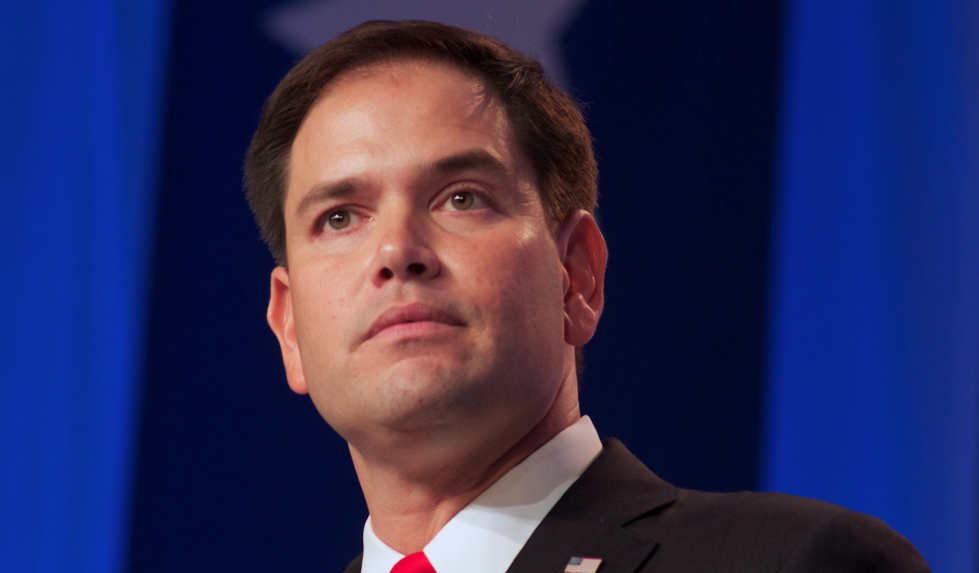
Rubio blocked Iran peace deal during April talks in Pakistan, reports say
By isabelle // Share

Teenage Dutch suspects arrested as string of explosions rattles Frankfurt
By isabelle // Share
New study links nighttime coughing to air pollution, even in “clean” cities
By isabelle // Share

Trucking’s Triple Crisis: Diesel Prices, Regional Scarcity, and the Autonomous Threat
By healthranger // Share