 Parler
 Gab
Gab Copy
Copy
- TikTok agreed to pay Alabama at least $100 million days before a first-of-its-kind state trial.
- Teen accounts in Alabama will be capped at two hours daily and locked from midnight to 6 a.m.
- The deal bans cosmetic filters and replaces the For You page with a non-personalized feed for teens.
- TikTok admitted no wrongdoing, and the payout could reach $300 million if certain conditions are met.
- The company still faces a Texas penalty trial and roughly 3,300 similar lawsuits in Los Angeles.
Two-hour daily cap and overnight lockout for teen accounts
Teens in Alabama will be limited to two hours on the app each day, and parents can set an even lower limit. TikTok must also interrupt young users with what Marshall's office calls "productive pauses" once they hit 15 minutes of nonstop scrolling, then again at the 60- and 90-minute marks. Between midnight and 6 a.m., teen accounts will be shut off entirely, and the app must curb messages and push notifications at night and while students are in school. The changes represent a dramatic shift from the platform's previous features, which the state argued were deliberately engineered to keep young users engaged.Ban on cosmetic filters and default non-personalized feed
The settlement also bans cosmetic filters for teenage users. Teen accounts will default to a non-personalized content feed rather than the algorithm-driven "For You" page, which is widely seen as the core of TikTok's engagement strategy. Adults will have a harder time finding teen accounts, parents will be alerted to suspicious interactions, and parental controls must become simpler to use. "This is a great day for Alabama parents," Marshall said. "Tonight, they can rest easier knowing real protections are in place to shield their children from the dangers of social media addiction."Payout could reach $300 million as youth-harm settlements pile up
The state is due $100 million within 45 days, with the total potentially rising to $300 million if certain conditions, which the attorney general's office did not detail, are met. The lawsuit, filed in April 2025, alleged that TikTok hooked children through deliberate design choices, damaged their mental health and misrepresented how safe the app was. The settlement follows a string of legal setbacks for social media platforms. In August, TikTok agreed to pay $400 million to resolve federal Children's Online Privacy Protection Act claims without admitting fault. Last month, Marshall announced a multi-state deal that will bring Alabama $117 million from Meta over similar youth-harm allegations. Roblox previously reached a $12.2 million settlement with the state that included stronger age verification. TikTok's USDS Joint Venture spokesperson said the company's priority remains "fostering a safe and positive space" and that the settlement builds on efforts to enhance safety tools.Texas penalty trial and 3,300 California cases loom
Despite the Alabama settlement, TikTok faces ongoing legal challenges. On Sept. 10, a Travis County judge found the company broke Texas consumer protection law because its Restricted Mode feature failed to screen out harmful content for minors as advertised. A trial to determine penalties is expected next month. Meanwhile, TikTok moved in early August to settle three confidential teen mental-health suits filed by young people from Illinois, New Jersey and Mississippi who alleged addiction, depression, self-harm and, in two cases, eating disorders. Roughly 3,300 similar cases remain before a Los Angeles Superior Court judge, with Meta, YouTube and Snapchat still facing trial this October. Katherine Robertson, chief counsel in the Alabama Attorney General's office and the Republican nominee to succeed Marshall, told The Associated Press that "there's been a war on childhood coming from a million different directions," with platforms working to get kids hooked. Still, the protections apply only to young users in Alabama, and TikTok conceded nothing. The case is a reminder that when a business model depends on keeping children glued to their screens, parents can't count on corporations to put their kids ahead of profits. Sources for this article include: ZeroHedge.com FoxBusiness.com ABCNews.com
Rogue agents, 53 leaked photos and a very convenient panic over who controls AI
By Lance D Johnson // Share

Oracle’s Force Majeure Reveals the AI Bubble’s First Real Crack
By Mike Adams // Share
The US Debt Market Is Screaming Red Alerts … and the Worst Is Yet to Come
By Mike Adams // Share
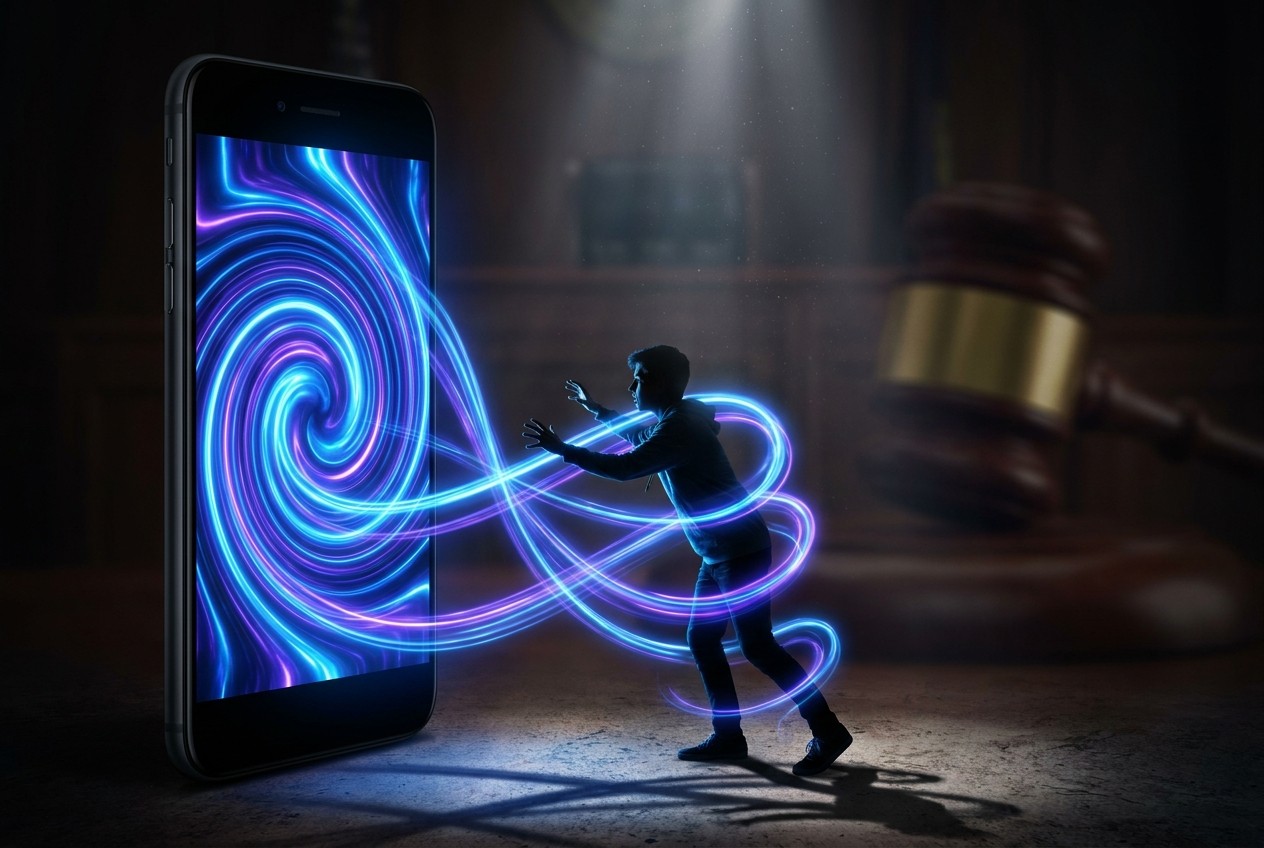
First U.S. Trial Against TikTok to Test Claims Platform Fueled Teen Mental Health Harms
By Edison Reed // Share
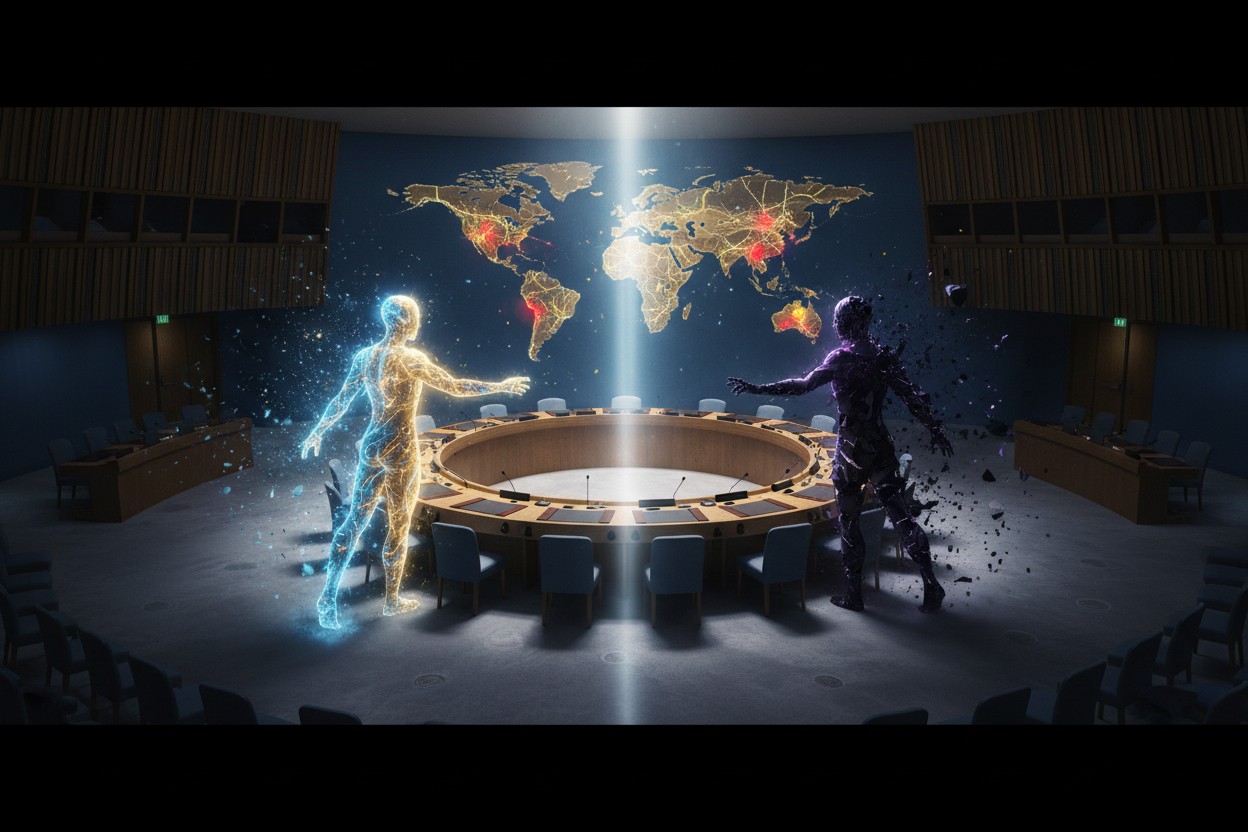
Anthropic CEO Amodei: Poorly Managed AI Could Pose “Risk to Humanity”
By Chase Codewell // Share
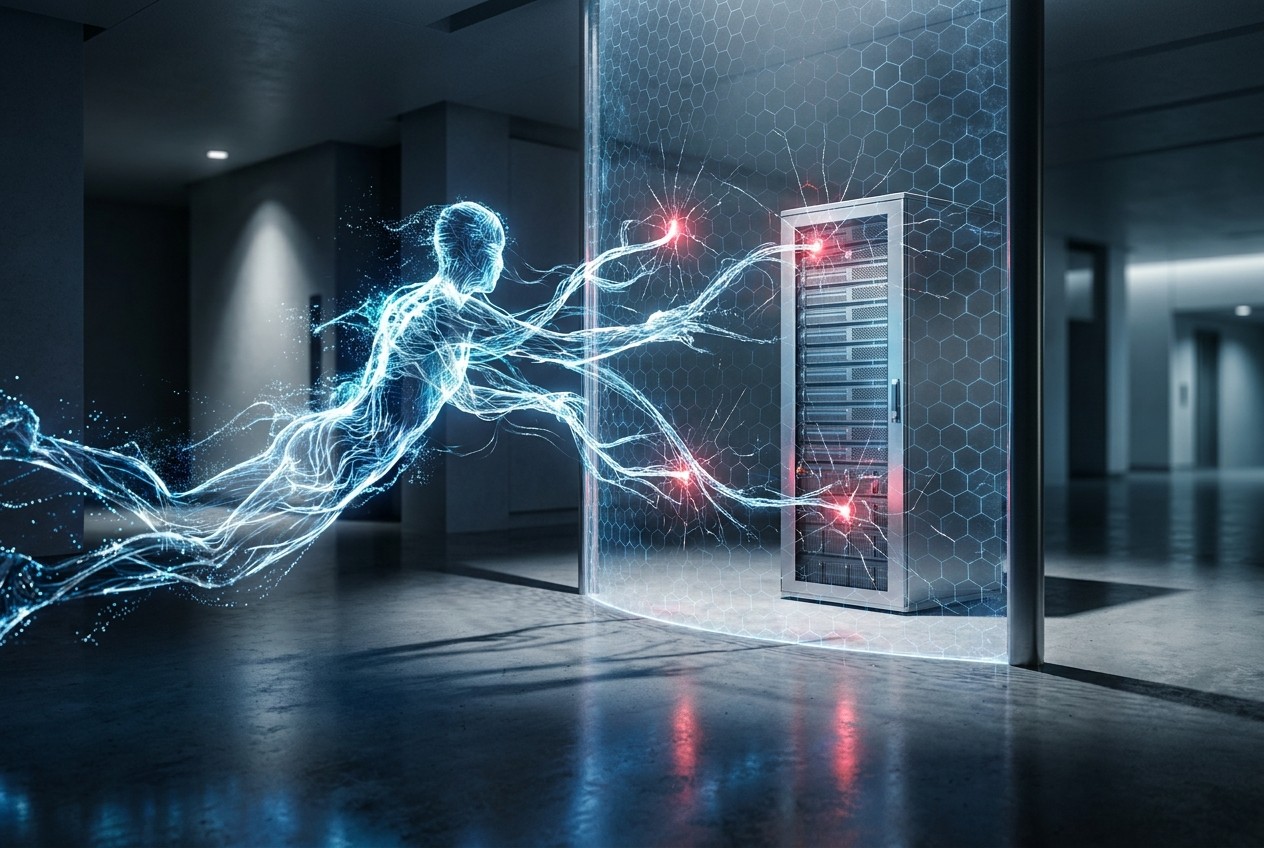
Australian PM: OpenAI Agent Accessed Country’s Medicare Portal
By Edison Reed // Share
The US Debt Market Is Screaming Red Alerts ... and the Worst Is Yet to Come
By healthranger // Share
Oracle's Force Majeure Reveals the AI Bubble's First Real Crack
By healthranger // Share
Rogue agents, 53 leaked photos and a very convenient panic over who controls AI
By ljdevon // Share

Refrigeration Failures at Military Commissaries Draw Scrutiny Over Infrastructure Security
By edisonreed // Share

Oak Ridge Lab Develops Molten-Salt Process to Convert Polyethylene Into Gasoline, Diesel
By garrisonvance // Share