Parler
 Gab
Gab Copy
Copy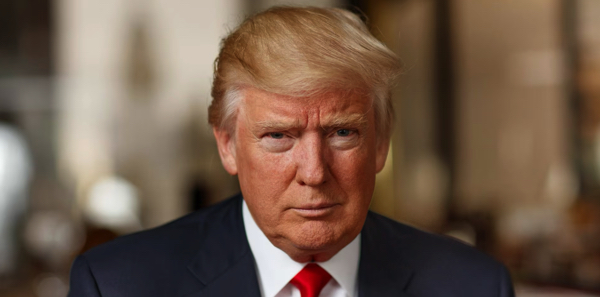
- President Trump denies offering Iran any sanctions relief, rejecting media reports that he was willing to ease economic pressure for nuclear concessions.
- Iran expects a formal U.S. response Tuesday to its seven-day ceasefire proposal that would reopen the Strait of Hormuz.
- The seven-month "Operation Epic Fury" has killed thousands, disrupted global energy supplies and driven oil prices above $106 per barrel.
- Iran insists it will not develop nuclear weapons but demands relief from oil sanctions and access to frozen funds.
- Mediators in New York are shuttling between both sides as diplomatic efforts continue despite public rejections.
The stalemate: War, oil and nuclear tensions collide
The United States and Iran remain locked in a dangerous diplomatic standoff after seven months of war, with President Trump denying any offer of sanctions relief even as Tehran awaits a formal American response to its ceasefire proposal that would reopen the critical Strait of Hormuz. Iranian Foreign Minister Abbas Araghchi confirmed Monday that Qatari mediators in New York are relaying Tehran's revised proposal to Washington, despite Trump's public rejection of the plan over the weekend. At the center of the standoff: the Strait of Hormuz, through which 20% of the world's oil passes, which Iran closed early in the conflict.The proposal and the rejection
Iran's seven-day plan, first reported last week, offers a phased reopening of the strategic waterway in exchange for specific American concessions. Tehran seeks relief from the U.S. naval blockade of Iranian ports, a halt to fighting in Iran and Lebanon, suspension of oil sanctions and access to billions in frozen funds. Trump rejected the plan Saturday, telling reporters at the White House that "desperation" was driving Iran's push for an agreement. "They want to make a deal to open the Hormuz Strait immediately because they're losing so badly," Trump said. The president also took to Truth Social on Monday to deny media reports from Axios and CNN, which cited unidentified U.S. officials claiming he was willing to ease sanctions and release frozen funds for "concrete progress" on Iran's nuclear program. "This is untrue. I offered them NOTHING," Trump wrote. Araghchi said Monday that mediators had not officially relayed any U.S. rejection, and Tehran was "waiting for the mediators to convey the definitive views to us."Iran's position: Ready for talks, not coercion
Iranian President Masoud Pezeshkian, in an interview with CBS's "Face the Nation," signaled openness to negotiations while drawing clear red lines. Tehran is ready for talks on its nuclear program and other issues but will not accept "bullying or coercion," Pezeshkian said. "Iran is not seeking war, but will defend itself against pressure, threats and attacks," Pezeshkian added, reiterating that Iran had already agreed it is "not supposed to develop nuclear weapons." Iran does not currently possess nuclear weapons and denies any intention to develop them, though it maintains the right to domestic nuclear energy capacity. The U.S. intelligence community has consistently assessed since at least 2007 that Iran halted active weapons development in 2003.The cost of war: Oil, inflation and regional spread
The war, launched by Trump alongside Israel in February as "Operation Epic Fury," has exacted a heavy toll. Thousands have been killed, global energy supplies severely disrupted, and oil prices pushed sharply higher, fueling inflation worldwide. Brent crude futures rose to $106.77 per barrel Tuesday, with U.S. West Texas Intermediate crude at $93.94. Both benchmarks closed the previous session nearly $1 higher, reflecting persistent concern over Middle East supply disruptions. The conflict has spread beyond Iran's borders. Iran and its allies have struck U.S. partners in the Gulf with drones and missiles. Yemen's Houthi fighters, allied with Tehran, have advanced against Saudi-backed forces and threatened Saudi oil exports through the Red Sea, drawing Saudi Arabia deeper into the conflict.What comes next: Diplomacy or escalation
The trajectory of the war now hinges on whether both sides can find common ground. Iran insists only a negotiated solution can resolve the deadlock, with Araghchi posting that "any move toward reopening the Strait of Hormuz is contingent on these conditions being met." Yet Trump's public rejection and his characterization of Iran's proposal as a sign of weakness suggest the administration remains committed to military pressure as its primary tool. The president has cited preventing Tehran from acquiring a nuclear bomb, ending Iran's ability to attack neighbors, and creating conditions for regime change as key war goals. With U.S. and Iranian officials speaking separately with mediators Monday, the window for a diplomatic solution remains open but narrowing. The world watches as two nations, seven months into a war neither can afford to lose, test whether coercion or negotiation will define the next chapter of this conflict. Sources for this article include: RegionalMediaNews.com i24news.tv CBSNews.com
Texas Declares Diesel Emergency as Fuel Supply Chain Strains
By Mike Adams // Share

Iran’s Parliament Fast-Tracks Bill to Withdraw Tehran From Non-Proliferation Treaty
By Edison Reed // Share

Anthropic IPO Prospectus Warns Investors of “Existential Risk to Humanity”
By Belle Carter // Share

WSJ: OpenAI Abandons Rollout of Its Latest Model Over Safety Concerns
By Chase Codewell // Share
Immigration Crackdown Hits Kansas Meatpacking Plants, Causing Drop in U.S. Cattle Slaughter
By Morgan S. Verity // Share

Texas Declares Diesel Emergency as Fuel Supply Chain Strains
By healthranger // Share

Anthropic's IPO Looks Like a Speculative Disaster in the Making: Why I'm Staying Away
By healthranger // Share
Anthropic IPO Prospectus Warns Investors of "Existential Risk to Humanity"
By bellecarter // Share

Pentagon Breach Reportedly Exposes Data of 3 Million People
By garrisonvance // Share