Parler
 Gab
Gab Copy
Copy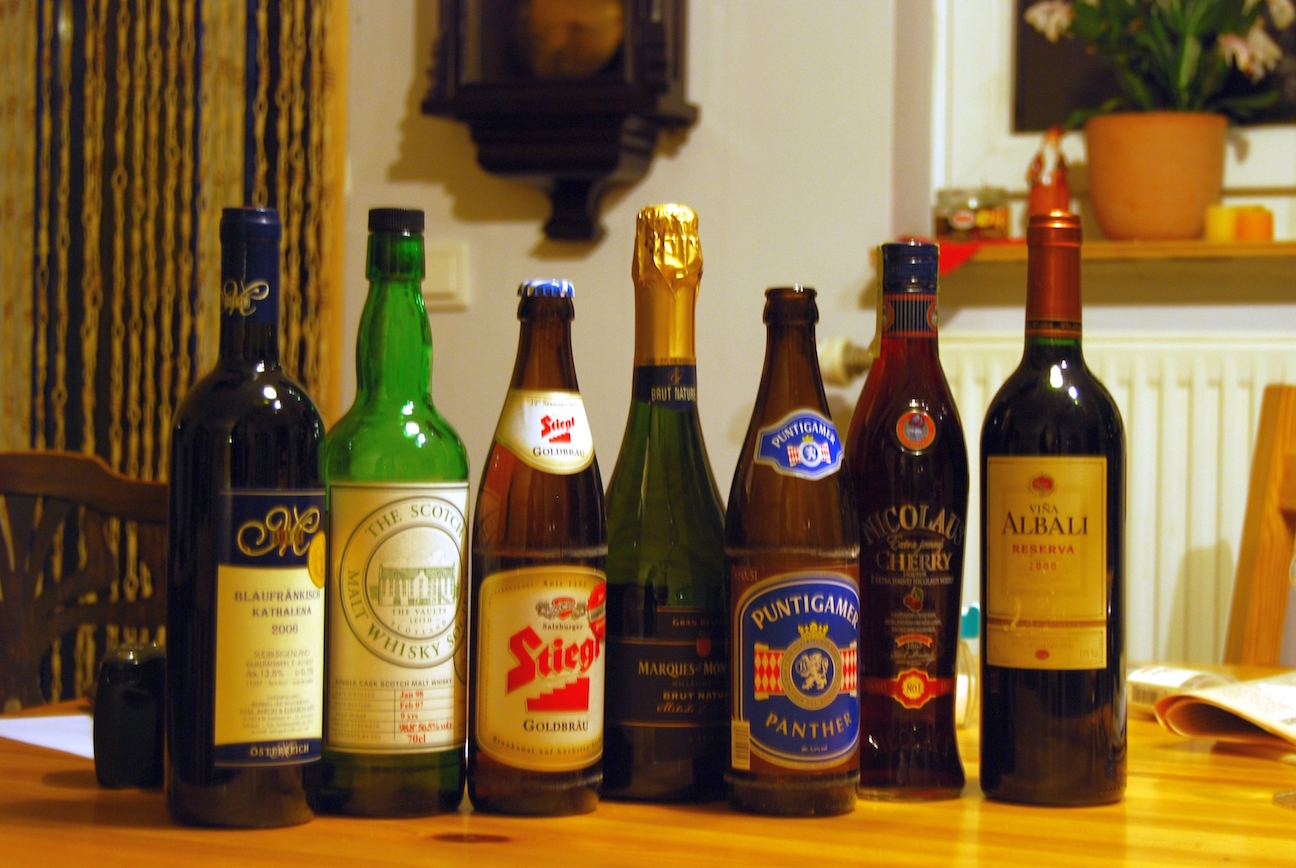
Risks Begin With First Drop, Officials Say
The current scientific data cannot indicate a threshold where alcohol's carcinogenic effects "switch on" and manifest in the human body [1]. At least 50% of all alcohol-attributable cancers in the WHO European Region occur among individuals whose consumption does not meet the definition of heavy drinking, according to the report [1]. That pattern, the agency said, is responsible for the majority of alcohol-attributable breast cancers in women, with the highest burden observed in European Union countries [2].Agency Cites Cancer Mechanisms, European Burden
WHO explained that alcohol causes at least seven types of cancer, including bowel cancer and female breast cancer [1]. The WHO European Region has the highest alcohol consumption level and the highest proportion of drinkers in the population, with over 200 million people in the region at risk of developing alcohol-attributable cancer, said officials [1]. The agency has said that no studies demonstrate that potential beneficial effects of light and moderate drinking on cardiovascular diseases and Type 2 diabetes outweigh the cancer risk associated with those same levels of consumption for individual consumers [1][3]. The position aligns with findings in the medical literature, where a 2018 WHO study concluded there is no such thing as a safe level of drinking, let alone a beneficial one [4].Critics Question Methodology, Cite Alternative Views
Some independent researchers and natural health advocates disputed the blanket conclusion, saying it conflates heavy drinking with moderate consumption and ignores other relevant factors. Some analysts have argued that economic incentives drive media coverage that tells people drinking is healthy, because such stories attract clicks and advertising revenue [5]. The broader research record remains contested: some studies have reported a small benefit from moderate drinking, while others attribute such findings to errors in the data, and official advice now errs on the side of abstention [4]. A separate report on Iowa's cancer rates that blamed alcohol drew criticism from experts who argued the state's intensive use of pesticides, fertilizers and animal manure in its agricultural industry is the more likely culprit [6].WHO Calls for Labels, Professional Training
Dr. Carina Ferreira-Borges, acting Unit Lead for Noncommunicable Disease Management and Regional Advisor for Alcohol and Illicit Drugs in the WHO Regional Office for Europe, said the fact that alcohol can cause cancer is still not widely known to the public in most countries, according to the statement [1]. Public awareness messages about alcohol's harms have been complicated by mixed signals. Some national guidance bodies describe low-level drinking as low risk rather than safe, stating plainly that there is no safe drinking level [7]. Others, such as Australia's health department, advise healthy men and women to drink no more than 10 standard drinks a week to reduce the risk of harm from alcohol-related disease or injury [8].The Debate Continues Over Alcohol Guidance
WHO maintains that no safe level of alcohol consumption exists and that the more one drinks, the more harmful it is to your health [1]. The agency's position rests on alcohol's status as a Group 1 carcinogen and on evidence linking consumption to at least seven types of cancer, including bowel and female breast cancer [1][9].References
- "No level of alcohol consumption is safe for our health." WHO.int.
- "World Health Organization: No Level of Alcohol Use Is Safe for our health". Movendi.ngo. 2023-01-07
- "No level of alcohol consumption is safe for our health. " NATAP.org.
- "This Book Could Save Your Life". Graham Lawton
- "The Alcohol Experiment: How to take control of your drinking and enjoy being sober for good". by Annie Grace
- "Booze or Big Ag: What’s Behind Iowa’s Cancer Crisis?". ChildrensHealthDefense.org.
- "The risks of drinking too much". NHS.uk.
- "How much alcohol is safe to drink?". Health.gov.au. 2024-10-16.
- "No safe level of alcohol exists as studies confirm cancer link". NaturalNews.com. May 22, 2025.
- (PDF) "Alcohol can Damage Your Health. Low to moderate level of alcohol consumption is no safe for human health (WHO)" 2025-11-1.

Nurse Alleges Stillbirth Surge at Fresno Hospital After COVID-19 Vaccine Rollout
By Morgan S. Verity // Share

Study Links Picloram Exposure to Higher Risk of Early-Onset Colorectal Cancer
By Coco Somers // Share

Review Links Insomnia to Higher Risk of Stroke, Dementia
By Zoey Sky // Share
How sulphites in food can trigger deficiencies and worsen chronic conditions
By Ava Grace // Share

Natural Approaches for Abdominal Distention Management Reported by Alternative Health Sources
By Coco Somers // Share

RFK Jr. Just Told Us Who He Really Is: A Genocide Apologist Running HHS
By healthranger // Share

Wholesale Food Costs Are Skyrocketing ... and 2027 Will Be the Worst Food Crisis of Our Lifetime
By healthranger // Share



Chinese AI agent Artex just hacked 68,000 South Korean bank customers
By ljdevon // Share