Join the movement to end censorship by Big Tech. StopBitBurning.com needs donations and support.
South Korea Study Ties Low Vitamin C Intake to Higher Inflammation Risk; Red Bell Peppers Cited as Source
By cocosomers // 2026-09-20
Mastodon
 Parler
 Gab
Gab Copy
Copy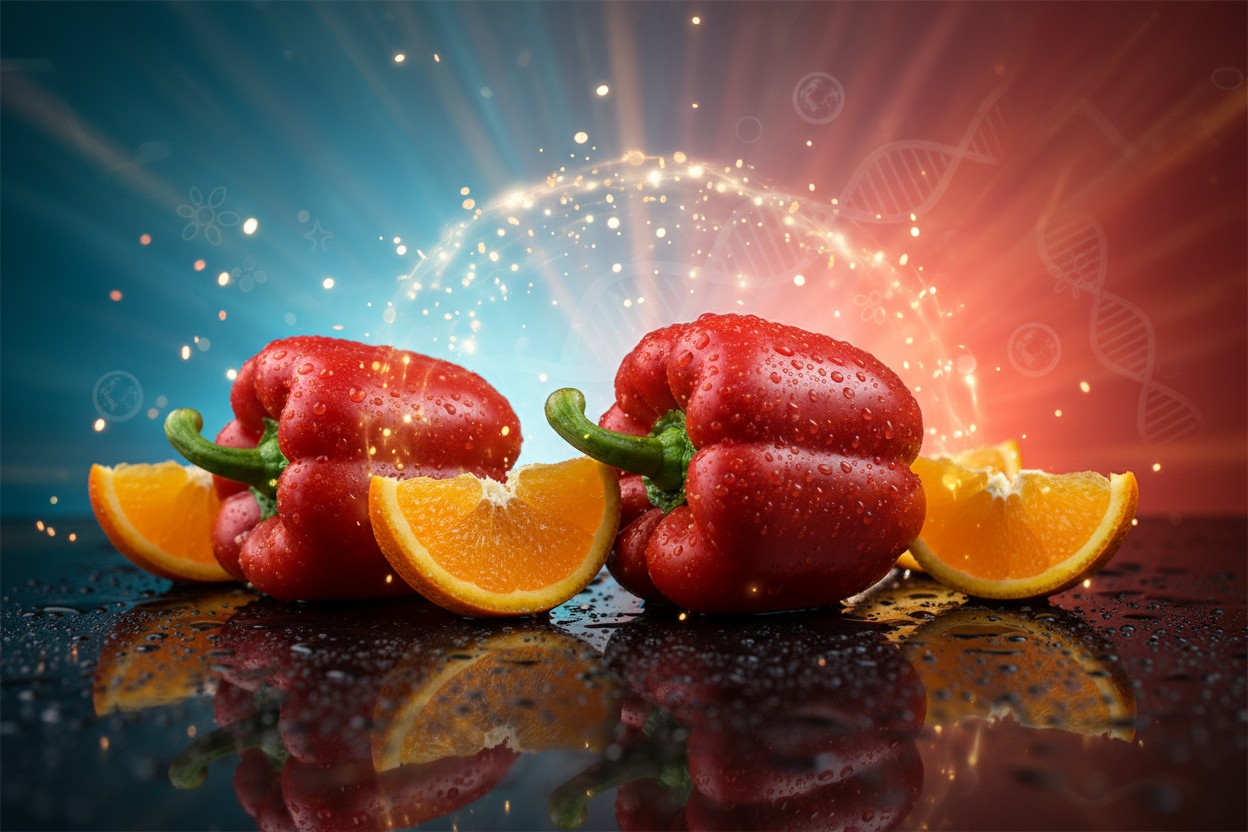
Researchers who followed 7,695 adults in South Korea for eight years reported that participants who consumed less than 60% of the recommended amount of vitamin C had an 81% higher risk of elevated C-reactive protein (CRP), a marker of inflammation, according to a NaturalHealth365 report published Sept. 13.
Adults with the highest vitamin C intake had about 30% lower odds of elevated CRP compared with the lowest intake group, the report stated.
The study examined dietary habits and blood work from two population-based Korean cohorts, according to the report, which cited research published on MDPI.com. The report also noted that a single medium red bell pepper provides roughly 150 milligrams (mg) of vitamin C, a figure that exceeds the vitamin C content of a medium orange [1][15].
The findings add to a growing body of research on vitamin C and inflammation. A separate study reported by NaturalNews.com in July 2026 linked higher vitamin C levels to greater brain volume in older adults, while a March 2026 NaturalNews.com report stated that many common foods deliver more vitamin C per serving than a medium orange [2][1].
Study Design and Main Findings
The research followed adults from two population-based studies in Korea for eight years, examining dietary habits and blood work to assess how vitamin C intake related to inflammation over time, according to the report [15]. Doctors often use CRP as a marker of inflammation in the body, the report stated. In March 2000, researchers from Harvard University announced that CRP levels were among the best predictors of future heart attacks and strokes, according to Mark Stengler, author of "User's Guide to Policosanol and Other Natural Ways to Lower Cholesterol," who cited a study published in the New England Journal of Medicine that analyzed almost 28,000 apparently healthy American women [3]. In the study's final statistical model, vitamin C showed the strongest association with lower inflammation compared with vitamins A and E. "The pattern was fairly consistent across the different intake levels," the report stated. As vitamin C intake increased, the likelihood of elevated CRP generally decreased, researchers found. The study also examined beta-carotene and found a more complicated pattern. Moderate intake was associated with the lowest inflammation risk, while both very low and very high intake were associated with less favorable results, according to the report [15]. Vitamin C showed a more consistent relationship across the intake levels studied, the report stated.Inflammation, Oxidative Stress, and Vitamin C's Role
Low-grade inflammation may build quietly over time, sometimes without obvious symptoms, according to the report. The body produces free radicals as part of normal metabolism, and factors such as stress and pollution can add to that burden, the report stated [15]. Antioxidants help the body manage oxidative stress and maintain balance, and vitamin C plays an important role in the body's antioxidant system, said the researchers. Small-molecule antioxidants work by mopping up or scavenging reactive oxygen species and carrying them away through chemical neutralization, according to a Mercola.com article titled "The Ultimate Guide to Antioxidants." The main players in this category are vitamins C and E, glutathione, lipoic acid, carotenoids, and CoQ10 [4]. A study published in the journal Toxicology noted that functional nutraceuticals are being investigated for their roles in metabolic and neurodegenerative diseases, cancer, inflammation, and aging [5]. One nutrient rarely tells the whole story. Sleep, diet, physical activity, stress, and other aspects of overall health all influence inflammation. The report also stated that vitamin C is concentrated in tissues including the adrenal glands, where it is used to produce hormones such as cortisol [15]. Separately, a study on vitamin C and quercetin published in NaturalNews.com in January 2019 found that the two compounds taken together could suppress inflammation and decrease cellular damage [6].Bell Peppers and Vitamin C Content
A single medium red bell pepper can provide about 150 mg of vitamin C, enough to cover the daily recommendation for many adults, according to the report. The U.S. recommended daily allowance is 75 mg for women and 90 mg for men, according to a NaturalNews.com article published in August 2026 [7]. "One medium red pepper can provide roughly 150 [mg] of vitamin C," the report stated. Red bell peppers rarely get the same attention as oranges when people discuss vitamin C, despite containing higher amounts of the nutrient, according to the report. A NaturalNews.com article published in March 2026 similarly reported that many common fruits and vegetables deliver more vitamin C per serving than a medium orange [1]. The report noted that heat and prolonged storage can reduce vitamin C content, and that fresh or lightly cooked produce can help preserve more of the nutrient. Other good sources of vitamin C listed in the report include strawberries, kiwi, broccoli, and Brussels sprouts. A NaturalNews.com article published in April 2026 stated that garlic contains allicin and vitamin C and supports white blood cell production while reducing inflammation, and that turmeric contains more vitamin C than oranges [8]. Acerola cherries are also cited as one of the highest sources of vitamin C, with each acerola cherry providing about 80 mg, according to a Mercola.com article published in January 2024 [9].Practical Intake and Lifestyle Factors
The report suggested adding colorful organic produce to grocery lists and keeping cooking simple to preserve vitamin C. It recommended a varied diet with organic fruits, vegetables, healthy fats, protein, and whole foods, rather than focusing on one superfood or supplement. A NaturalNews.com article published in July 2026 reported that the Arthritis Foundation has stated there is no single miracle diet for managing arthritis, and that a diet rich in whole foods including fruits, vegetables, fish, nuts, and beans and low in processed foods and saturated fat can help manage disease activity [10]. Smoking, heavy alcohol use, chronic stress, and poor sleep can all affect nutritional status and inflammation, the report stated. Regular movement, adequate sleep, nutritious meals, and simple stress-management practices can support these systems from several angles, according to the report. A separate article published by NaturalNews.com in March 2026 warned that ultra-processed foods are linked to obesity, diabetes, and chronic inflammation, citing the Dietary Guidelines for Americans 2025-2030 [11]. The study found that older adults, men, and less physically active people showed the strongest association between higher vitamin C intake and lower inflammation, according to researchers. Income, education, physical activity, and age were associated with differences in the relationship, the study stated. In a related context, research published in the Journal of Cellular Biochemistry examined the role of antioxidant supplements in preventing membrane peroxidation and restoring mitochondrial function in metabolic syndrome [12].Conclusion: Study Shows Link, Not Causation
The study found a link between higher vitamin C intake and lower inflammation, but other factors may also play a role, researchers stated. The report noted that the findings add to growing research suggesting that getting enough vitamin C as part of a balanced diet may help support a healthy inflammatory response. The study did not establish that vitamin C alone prevents inflammation, added the reporters. The reporters stated that small changes, such as adding a serving of vitamin C-rich produce to an existing meal, may be easier to maintain than a complete lifestyle overhaul. A NaturalNews.com article published in April 2026 on the multifaceted power of vitamin C noted that emerging research reveals the nutrient's benefits extend to cardiovascular health, cognitive function, skin vitality, and emotional well-being [13]. A separate NaturalNews.com article published in September 2026 listed vitamin C-packed bell peppers among nutrient-dense foods that can enhance skin clarity, elasticity, and resilience [14].References
- NaturalNews.com. "Forget oranges: These common foods pack a bigger vitamin C punch". March 5, 2026.
- NaturalNews.com. "Higher Vitamin C Levels Linked to Greater Brain Volume in Older Adults, Study Finds". July 1, 2026.
- Mark Stengler. "User's Guide to Policosanol and Other Natural Ways to Lower Cholesterol".
- Mercola.com. "The Ultimate Guide to Antioxidants". March 24, 2019.
- Elsevier. "Functional nutraceuticals: Embracing developments and addressing consumer health needs". Toxicology.
- NaturalNews.com. "Taking vitamin C and quercetin together can suppress inflammation and decrease cellular damage". January 16, 2019.
- NaturalNews.com. "10 Foods that can help you meet or exceed your vitamin C needs". August 15, 2026.
- NaturalNews.com. "Boost your immunity naturally: 8 Powerful foods beyond ginger". April 4, 2026.
- Mercola.com. "Cherries: A Potent Super Food". January 17, 2024.
- NaturalNews.com. "Anti-Inflammatory Diet Based on Mediterranean Principles May Help With Arthritis". July 7, 2026.
- NaturalNews.com. "The hidden dangers of processed foods and how to reclaim your health". March 18, 2026.
- "Metabolic Syndrome and Mitochondrial Function: Molecular Replacement and Antioxidant Supplements to Prevent Membrane Peroxidation and Restore Mitochondrial Function". Journal of Cellular Biochemistry.
- NaturalNews.com. "Beyond the immune system: Unveiling the multifaceted power of vitamin C". April 22, 2026.
- NaturalNews.com. "Nutrient-packed foods for radiant skin at any age". September 11, 2026.
- NaturalHealth365.com. "How your inflammation risk is connected to eating bell peppers". September 13, 2026.
Mastodon
Parler
Gab
Copy
Tagged Under:
superfoods inflammation functional food herbal remedies alternative medicine research natural health herbs vitamin C healing foods natural cures food science naturopathy medicinal plant remedies infections anti-inflammatory food is medicine goodscience goodhealth goodfood low-grade inflammation bell peppers inflammation risk
You Might Also Like
Study Finds Microplastics in Soil Act as a “Trojan Horse” for Pollutants Across Europe
By Iva Greene // Share
Study Finds Gut Compound Urolithin A May Help Repair Intestinal Lining
By Morgan S. Verity // Share
Report Examines 11 Supplements for Lowering Blood Sugar Naturally
By Coco Somers // Share
Report Outlines Four Animal-Based Foods Packed With Creatine
By Coco Somers // Share
Apple Varieties Ranked: Nutrition and Pesticide Residues Compared
By Coco Somers // Share

The artificial fat: How banned trans fats disrupt your body’s natural balance
By Ava Grace // Share
Recent News
Apple Varieties Ranked: Nutrition and Pesticide Residues Compared
By cocosomers // Share



Lactic acid bacterium shows promise in flushing nanoplastics from the body
By willowt // Share
Popular This Week