Join the movement to end censorship by Big Tech. StopBitBurning.com needs donations and support.
Report Examines 11 Supplements for Lowering Blood Sugar Naturally
By cocosomers // 2026-09-20
Mastodon
 Parler
 Gab
Gab Copy
Copy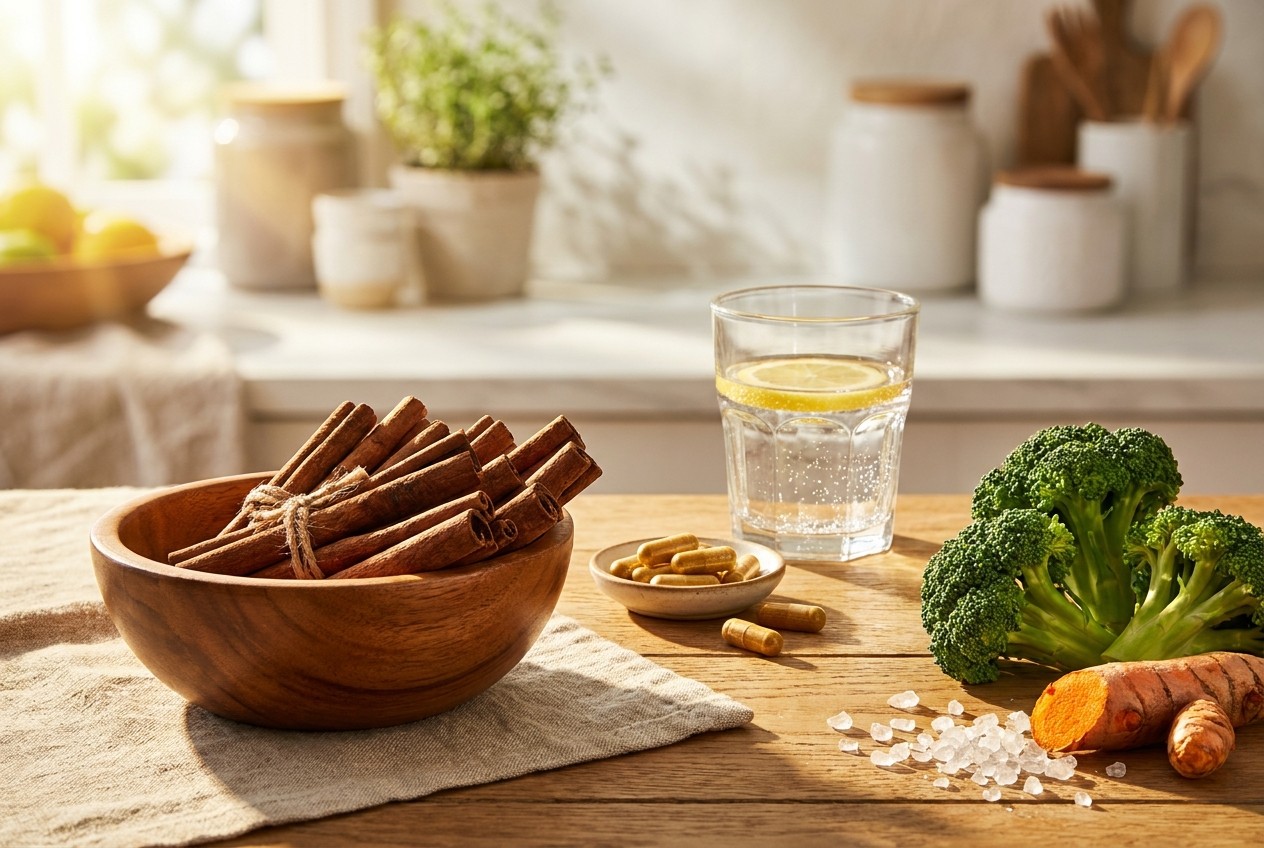
A growing body of research has examined whether certain dietary supplements can help lower blood sugar, a question of interest to the millions of Americans living with prediabetes or Type 2 diabetes.
According to health officials, elevated blood sugar that goes unmanaged can progress to prediabetes and Type 2 diabetes, conditions that raise the risk of heart disease, kidney failure, blindness and nerve damage [1][2].
Managing blood sugar typically involves a combination of diet, exercise and, in some cases, prescription medication, officials said. Exercise increases insulin sensitivity and glucose uptake by muscles, according to the American Diabetes Association, and monitoring blood glucose before, during and after physical activity is recommended to prevent dangerous swings [3]. Some practitioners of natural medicine have argued that lifestyle changes, including improved nutrition, can further support metabolic health [4].
Against that backdrop, a range of dietary supplements including cinnamon, magnesium, zinc, berberine and others have drawn attention for their potential effects on blood glucose. Research indicates that several of these compounds may influence insulin sensitivity or fasting glucose levels, though the overall evidence is not robust enough to support recommending supplements as a diabetes treatment, researchers said. The report stated that supplements should not replace prescribed medication or treatment plans, and that individuals considering them should consult a physician.

Alpha-Lipoic Acid, Cinnamon, Magnesium, Chromium
Alpha-lipoic acid, an antioxidant found in foods such as broccoli, tomatoes and red meat, has been studied for its effects on insulin sensitivity. According to researchers, the evidence on blood sugar benefits is mixed, though some studies suggest that daily doses of 800 to 1,200 milligrams may improve insulin sensitivity. Separate research has examined curcumin, the active compound in turmeric, for its ability to protect and regenerate insulin-producing beta cells, with one randomized trial finding that 80 milligrams of curcumin daily for 12 weeks reduced HbA1c levels in adults over 60 with prediabetes or obesity [5]. Cinnamon has drawn particular attention for what researchers describe as insulin-like effects. Research indicates the spice may improve insulin sensitivity and reduce blood sugar levels [6]. A 2026 analysis that combined 139 head-to-head comparisons between cinnamon and placebo, drawing on data from people with diabetes, metabolic syndrome or high blood pressure, found the spice was tied to lower blood sugar and cholesterol measures [7]. Another study observed a 48% reduction in fasting blood glucose with 6 grams of cinnamon daily for four weeks, though typical study doses ranged from 1 to 6 grams per day, researchers said. Cinnamon may also relieve nerve pain associated with diabetes. Magnesium plays a role in more than 300 enzymatic processes in the body, and researchers have identified 3,751 magnesium-binding sites on human proteins [8][9]. Studies suggest magnesium supplements may significantly reduce fasting blood sugar, but primarily in people whose magnesium levels are low. Daily doses up to 600 milligrams for several months have helped patients alongside insulin therapy, according to the research, and magnesium oxide and magnesium chloride may be more effective than magnesium aspartate. Chromium, meanwhile, may reduce fasting blood sugar and HbA1c in people with Type 2 diabetes by increasing insulin action, studies suggest [10]. Doses up to 200 micrograms daily are considered safe, but taking chromium with insulin increases the risk of hypoglycemia.Zinc, Omega-3 Fatty Acids, Berberine, Probiotics
Zinc supplements may help control blood sugar and reduce diabetes-related complications, though human results have been mixed, according to research. About 50 milligrams of zinc gluconate daily for eight weeks lowered fasting blood sugar, especially in people with excess body weight. Omega-3 fatty acids, long associated with cardiovascular health, have more recently been examined for metabolic regulation. Emerging evidence indicates they work to improve insulin sensitivity, reduce inflammation and protect pancreatic function, according to research published in 2026 [11]. Daily intake of 1,000 to 2,000 milligrams for at least eight weeks may be effective, some research suggests. Berberine, a bitter yellow alkaloid found in plants including goldenseal, barberry and Oregon grape, has been widely promoted as a natural metabolic aid [12]. Studies suggest the compound may reduce blood sugar and increase insulin production, with clinical trial doses ranging from 900 to 1,500 milligrams daily. Berberine is considered safe up to 3,000 milligrams daily, but further research is needed before it can be recommended for routine use, researchers said. A 2026 review of berberine research pointed to significant variability in individual responses, which researchers attributed to the unique composition of each person's gut microbiome, and noted potential digestive side effects and drug interactions [13]. Probiotics may help reduce blood sugar in Type 2 diabetes by balancing gut bacteria, reducing inflammation, lowering stress and improving insulin resistance, according to some studies. Specific strains such as Lactobacillus rhamnosus GG and Bifidobacterium animalis may be useful, but the ideal dosage is unknown. Research on gut bacteria has also shown that microbes convert certain vegetable nutrients into compounds with metabolic benefits, and that these molecules were completely absent in germ-free mice, suggesting gut microbes play an essential role in their production [14].Vitamin D, Aloe Vera, Gymnema
Vitamin D may help manage blood sugar, though experts do not fully understand the mechanism. A 2026 meta-analysis of clinical trials found that vitamin D supplementation increased the likelihood of returning from prediabetes to normal blood sugar levels by 27% compared with placebo, according to research led by Anastassios Pittas, chief of Endocrinology, Diabetes and Metabolism at Tufts Medical Center [15]. Some studies suggest vitamin D3 lowers inflammation that contributes to insulin resistance, with doses of 1,600 to 4,000 IU daily used in research. One interview subject emphasized that vitamin D acts as a hormone playing a role in metabolism and blood sugar regulation, and that testing levels through a blood test is essential to avoid deficiency or toxicity [16]. Aloe vera has some research suggesting it can reduce blood sugar and HbA1c, though other researchers say the evidence is often of poor quality. Aloe vera is considered safe for short-term use up to 42 days. Gymnema, also known as Gurmar, is used in Ayurveda and other alternative medicine systems to reduce Type 2 diabetes symptoms. Reviews and clinical trials suggest it significantly lowers fasting blood glucose and HbA1c, though more research may be needed. The usual dosage is 250 to 500 milligrams taken twice per day. Garlic has also been examined for metabolic effects. A comprehensive meta-analysis of 108 randomized controlled trials published in Nutrition Reviews found that garlic consumption was associated with significant improvements in multiple cardiovascular risk markers, according to the study authors, including data from thousands of participants examining raw cloves, aged extract and powdered supplements [17].Considerations and Precautions
Despite the volume of research on individual supplements, there is not enough robust evidence to recommend using them for managing diabetes, and they should not replace prescribed medication or treatment plans, according to the report. Dietary supplements can interact with medications. They may intensify the effects of diabetes medication, increasing the risk of hypoglycemia, officials said. The authors of one berberine review specifically noted potential digestive side effects and drug interactions associated with the supplement [13].References
- NaturalNews.com. "Are You Destined for Diabetes". NaturalNews.com. April 09, 2008.
- NaturalNews.com. "Exercise and Blood Glucose: Key Findings and Recommendations". July 21, 2026.
- NaturalNews.com. "Metabolism Boosters: Diet, Natural Remedies and Regulatory Debate Highlighted in Health Report". August 24, 2026.
- Coco Somers. "Study: Curcumin Supplement Linked to Lower HbA1c in Older Adults With Prediabetes". NaturalNews.com. May 27, 2026.
- Lance D Johnson. "Cinnamon plays a critical role in diabetes management". NaturalNews.com. April 01, 2025.
- NaturalNews.com. "Cinnamon Tied to Lower Blood Sugar and Cholesterol in 21-Study Analysis". August 16, 2026.
- Dr. Mercola. "Can Magnesium Reduce Your Risk of Diabetes". Mercola.com. March 30, 2015.
- NaturalNews.com. "Magnesium's Role in Blood Sugar Regulation: What the Evidence Shows". August 06, 2026.
- NaturalNews.com. "Chromium prevents diabetes by improving insulin". NaturalNews.com. November 05, 2009.
- NaturalNews.com. "Beyond the heart: New research reveals omega-3s as a crucial ally in the blood sugar balance battle". August 18, 2026.
- NaturalNews.com. "Barberries' Berberine May Lower Blood Sugar and Cholesterol, Dietitians Say". August 24, 2026.
- NaturalNews.com. "Berberine Review Connects Metabolic Effects to Gut Health". September 10, 2026.
- NaturalNews.com. "Gut Bacteria Convert Vegetable Nutrients Into Compounds Linked to Heart and Metabolic Benefits, Study Says". September 07, 2026.
- NaturalNews.com. "Vitamin D Supplementation Linked to Improved Blood Sugar in Prediabetes, Study Finds". August 28, 2026.
- Mike Adams. "Mike Adams interview with McCullough Salatin". February 7 2025.
- NaturalNews.com. "Study: Garlic Consumption May Lower Cholesterol, Blood Pressure and Blood Sugar". August 19, 2026.
- Jack Challem. "Stop Prediabetes Now The Ultimate Plan to Lose Weight and Prevent Diabetes".
Explainer Infographic

Mastodon
Parler
Gab
Copy
Tagged Under:
blood sugar superfoods natural medicine natural exercise longevity alternative medicine natural health insulin resistance prevention natural cures healing arts Type 2 Diabetes healing naturopathy remedies prediabetes metabolic disorders diabetes cure prevent diabetes goodhealth goodmedicine goodfood diabetes science insulin sensitivity health science
You Might Also Like

Study Finds Gut Compound Urolithin A May Help Repair Intestinal Lining
By Morgan S. Verity // Share
Report Outlines Four Animal-Based Foods Packed With Creatine
By Coco Somers // Share

Apple Varieties Ranked: Nutrition and Pesticide Residues Compared
By Coco Somers // Share

Bunions Affect 1 in 3 Adults; Physical Therapist Recommends 3 Foot-Control Exercises
By Petra Stone // Share

The artificial fat: How banned trans fats disrupt your body’s natural balance
By Ava Grace // Share
Recent News
Apple Varieties Ranked: Nutrition and Pesticide Residues Compared
By cocosomers // Share




Lactic acid bacterium shows promise in flushing nanoplastics from the body
By willowt // Share
Popular This Week